

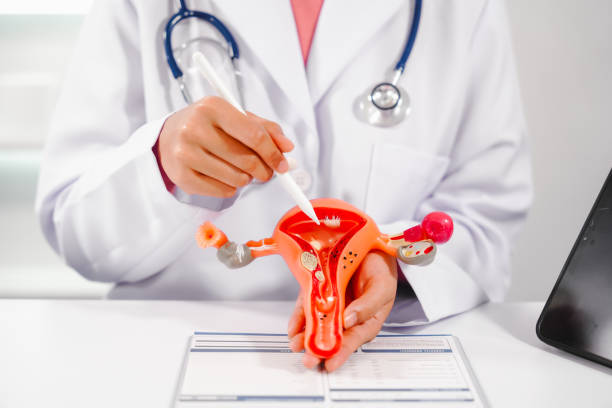
Introduction: Understanding STD (Sexually Transmitted Disease)
Sexually Transmitted Diseases (STDs), also known as Sexually Transmitted Infections (STIs), are infections that spread primarily through sexual contact — including vaginal, anal, or oral sex. Some STDs can also be transmitted from mother to baby during pregnancy, childbirth, or breastfeeding and through infected blood products.
Even though STDs are common worldwide, there’s still stigma and misinformation that prevent people from getting tested or treated. This complete guide will help you understand the causes, symptoms, diagnosis, treatment, prevention, and frequently asked questions about STDs — in simple, medically approved language.
What Are STDs? STD vs STI
The terms STD (Sexually Transmitted Disease) and STI (Sexually Transmitted Infection) are often used interchangeably. However, there’s a subtle difference:
- STI refers to the initial infection, even if there are no symptoms.
- STD refers to an STI that has progressed and is causing disease symptoms or damage.
Healthcare professionals now prefer the term STI, because many infections don’t show symptoms but can still be transmitted.
How Common Are STDs?
STDs affect millions of people globally each year. Many individuals may not realise they are infected because several STIs cause no noticeable symptoms initially. This silent nature of infection makes screening and awareness especially important.
Major Types of STDs
STDs can be caused by bacteria, viruses, or parasites. Here are the most common ones:
1. Chlamydia
A bacterial infection often without symptoms. When present, symptoms include pain during urination and unusual genital discharge.
2. Gonorrhea
Another bacterial STD that may cause painful urination, discharge, or pelvic pain. It can also affect the rectum, throat, eyes, and joints.
3. Syphilis
Caused by bacteria, syphilis has distinct stages — beginning with painless sores and progressing to more serious health complications if untreated.
4. Human Papillomavirus (HPV)
The most common viral STD worldwide. Some HPV types cause genital warts, while others can lead to cervical or other cancers. A vaccine is available.
5. HIV (Human Immunodeficiency Virus)
A virus that attacks the immune system. Without treatment, it can progress to AIDS. Early diagnosis and antiretroviral therapy (ART) can suppress the virus.
6. Genital Herpes (HSV-1 & HSV-2)
A viral infection causing periodic painful sores or blisters around the genitals or mouth.
7. Trichomoniasis
A parasitic infection often causing itching, burning, and unusual discharge.
Common Signs & Symptoms of STDs
STDs can present differently based on the type of infection. Some common symptoms include:
- Unusual discharge from penis or vagina
- Painful or frequent urination
- Genital sores, blisters, or warts
- Pain during sex
- Lower abdominal or pelvic pain
- Anal itching or bleeding
- Flu-like symptoms (fever, chills)
- Rash or swollen glands
Many STDs can be entirely asymptomatic — meaning you may not notice any symptoms at all, while still being infected and capable of spreading the infection.
Risk Factors for Contracting an STD
Anyone who is sexually active can get an STD. Some factors that increase the risk include:
- Having multiple sexual partners
- Unprotected sex (no condoms)
- A new sexual partner
- Previous history of STDs
- Sharing needles
- Engaging in sex under the influence of drugs/alcohol
Diagnosis – STD Testing Procedures
STD testing is a crucial step in sexual health. Your healthcare provider may recommend:
- Urine tests
- Blood tests
- Swab tests from genitals, throat, or rectal area
- Pap smear or HPV tests
Regular screening is essential, especially because many STIs don’t cause symptoms. Early detection improves outcomes and prevents complications.
Treatment Options for STDs
Bacterial STDs
Conditions such as chlamydia, gonorrhea, syphilis, and trichomoniasis are generally curable with antibiotics when treated early and appropriately.
Viral STDs
Viruses like HSV, HIV, or HPV cannot usually be cured but can be managed effectively:
- Antiviral medications can reduce outbreaks and transmission risk.
- Antiretroviral therapy (ART) for HIV improves lifespan and quality of life.
Vaccination
Preventive vaccines exist for:
- HPV — Protects against cancer-causing strains
- Hepatitis B — Prevents chronic liver disease and cancer
Vaccination before sexual debut provides the best protection.
Partner Treatment & Notification
If diagnosed with an STD, partners should be informed and tested — this helps stop reinfection and further spread.
Complications of Untreated STDs
If left untreated, STDs can cause:
- Infertility
- Pelvic Inflammatory Disease (PID)
- Ectopic pregnancy
- Chronic pain
- Increased risk of HIV acquisition
- Certain cancers (e.g., cervical cancer from HPV)
- Transmission to newborns during childbirth
Prevention & Protection Strategies
1. Practice Safe Sex
Correct and consistent use of condoms reduces the risk of most STDs, including HIV.
2. Regular Screening Tests
Screening every year, or more often based on risk, helps catch infections early.
3. Vaccination
HPV and Hepatitis B vaccines significantly lower the risk of infection and serious disease.
4. Mutual Monogamy
Being in a long-term relationship with an uninfected partner reduces risk.
5. Avoid Substance Abuse
Alcohol and drug use can impair judgment and lead to risky sexual behaviour.
Frequently Asked Questions (FAQs)
Q1. Can you get an STD without symptoms?
Yes — many STIs don’t show early symptoms, but you can still transmit the infection to others.
Q2. Does condom use fully protect against STDs?
Condoms greatly reduce risk but may not fully protect against infections spread through skin-to-skin contact (e.g., herpes, HPV).
Q3. How soon should I get tested after unprotected sex?
Testing timelines vary by infection type. Consult a healthcare provider for the best schedule based on exposure.
Q4. Can STDs be cured?
Bacterial STDs are often curable with antibiotics. Viral STDs are usually managed long-term but not fully cured.
Q5. Should I tell my partner if I test positive?
Yes — partner notification is essential to prevent spread and reinfection.
Conclusion – Stay Informed, Stay Safe
STDs are common but highly manageable when detected early. Practising safe sex, getting regular screenings, and staying informed about prevention and treatment can protect you and your partner’s sexual health.
If you suspect you have an STD or are sexually active and haven’t been screened recently, speak with your healthcare provider today.
References & Further Reading
- Mayo Clinic – Sexually Transmitted Diseases (STDs) Overview: https://www.mayoclinic.org/diseases-conditions/sexually-transmitted-diseases-stds/symptoms-causes/syc-20351240
- Mayo Clinic – STD Diagnosis & Treatment: https://www.mayoclinic.org/diseases-conditions/sexually-transmitted-diseases-stds/diagnosis-treatment/drc-20351246
- NICHD – Sexually Transmitted Diseases Facts: https://www.nichd.nih.gov/health/topics/factsheets/stds
- WHO – Sexually Transmitted Infections Overview: https://www.who.int/health-topics/sexually-transmitted-infections
- Johns Hopkins Medicine – STDs: https://www.hopkinsmedicine.org/health/conditions-and-diseases/sexually-transmitted-diseases
- CDC – STI Guidelines & Prevention: https://www.hhs.gov/programs/topic-sites/sexually-transmitted-infections/guidelines/index.html

