

Congenital Heart Disease in Kids – A Complete Guide for Parents
Every year, thousands of children are born with a heart condition known as congenital heart disease (CHD) — a structural defect in the heart that is present from birth. This condition can range from mild issues that resolve with time to complex defects requiring lifelong care and surgery. Understanding CHD is essential for parents and caregivers seeking timely diagnosis and the best treatment outcomes.
What Is Congenital Heart Disease?
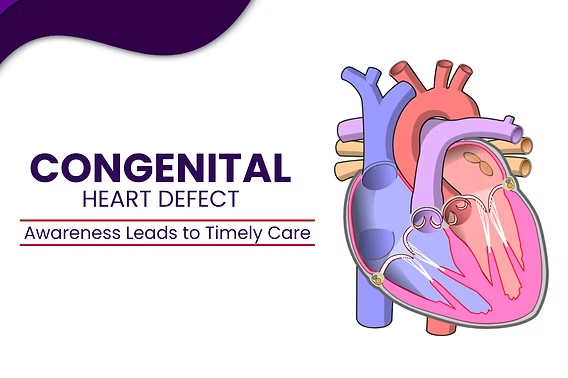
Congenital heart disease refers to abnormal development of the heart’s structure while the baby is still in the womb. These can involve the heart’s chambers, valves, or connecting blood vessels, changing how blood flows through the heart and body. Some defects are mild and may not need treatment, while others are complex and can affect blood oxygen levels and heart function.
Globally, about 8–10 out of every 1,000 babies are born with a heart defect. In India and many other countries, awareness and screening programs are helping catch these conditions earlier.
Common Types of Congenital Heart Defects
There are many kinds of congenital heart defects, including:
- Septal Defects: Holes in the heart walls, like ventricular septal defect (VSD) or atrial septal defect (ASD).
- Valve Defects: Problems with heart valves narrowing or leaking.
- Cyanotic Defects: These reduce oxygen in the blood, causing bluish skin (cyanosis). Examples include Tetralogy of Fallot and hypoplastic left heart syndrome.
- Transposition of the Great Arteries: The major arteries are switched, impacting blood flow.
Each condition affects the heart’s efficiency differently, so early assessment by a pediatric cardiologist is crucial.
Symptoms to Watch For in Children
While some heart defects are detected before birth, others may only become noticeable after birth or later in childhood.
In Babies
Signs may appear early and include:
- Bluish skin, lips or fingernails (cyanosis)
- Rapid or difficult breathing
- Poor feeding or tiring easily while feeding
- Slow growth and weight gain
In Older Children
Symptoms might include:
- Fatigue or getting short of breath during activity
- Heart murmurs detected by a doctor
- Swelling in the legs, feet, or abdomen in severe cases
If you observe these signs, it’s important to seek medical evaluation promptly. Early intervention can make a significant difference in outcomes.
Causes and Risk Factors
The exact cause of most congenital heart defects is not completely understood, but several factors can increase risk:
- Genetic predisposition/family history
- Maternal infections such as rubella during pregnancy
- Maternal diabetes
- Certain medications taken during pregnancy
- Lifestyle factors like smoking or alcohol use during pregnancy
Routine prenatal care and screenings help identify potential heart issues early, sometimes even before birth, using fetal ultrasounds and specialized cardiac imaging.
Diagnosis – How Doctors Detect CHD
Doctors may suspect congenital heart disease during routine prenatal checkups or soon after birth. Key diagnostic tools include:
- Pulse Oximetry: Measures oxygen levels in the blood.
- Electrocardiogram (ECG/EKG): Records heart electrical activity.
- Echocardiogram: Uses sound waves to view heart structure and function — most definitive test for CHD.
- Chest X-rays and MRI: Assess heart size and shape and deeper structural details.
- Cardiac Catheterization: Invasive test that can also treat certain conditions.
Early diagnosis enables better planning for care and intervention, often reducing risks and improving quality of life.
Treatment Options for Congenital Heart Disease
Treatment depends on the type and severity of the defect.
Medical Management
Some defects are mild and may be monitored over time. Medicines may be prescribed to:
- Control blood pressure
- Manage irregular heart rhythms
- Reduce fluid buildup and support heart function
Interventional Procedures
In many cases, congenital heart defects are treated using:
- Cardiac catheterization: A minimally invasive procedure to repair certain defects.
- Open-heart surgery: To correct or reconstruct heart structures.
- Heart transplant: Rare, but may be needed in severe, unrepairable cases.
Often, children may need multiple interventions over time as they grow. Regular follow-ups with a pediatric cardiologist are essential for lifelong care.
Living With Congenital Heart Disease
With advances in pediatric cardiology, many children with CHD now lead healthy, fulfilling lives. Early diagnosis, appropriate treatment, and regular monitoring are key. Parents should work closely with healthcare providers to create a personalized care plan for their child.
Families are encouraged to learn about the condition, support their child emotionally, and follow medical advice on lifestyle, activity levels, and nutrition. As children with CHD grow older, continued care from specialists experienced in congenital heart conditions remains vital.
When to Seek Medical Help
Seek urgent care if:
- Your child turns blue around the lips or face
- Has trouble breathing
- Becomes unusually lethargic
- Shows signs of poor circulation
Regular pediatric checkups are recommended even without symptoms, especially if there is known family history or early murmur detection.
Conclusion
Congenital heart disease in children is a serious but manageable condition with today’s advances in diagnosis and treatment. Early detection, expert pediatric cardiology care, and lifelong follow-up can give children the best chance at a healthy life. Understanding symptoms, knowing risk factors, and opting for timely medical support are the most powerful tools parents have when navigating CHD.
References
- Mayo Clinic – Congenital Heart Defects in Children (Symptoms & Causes) Mayo Clinic CHD in Children Overview
- Mayo Clinic – Diagnosis & Treatment of Congenital Heart Disease Mayo Clinic Congenital Heart Defects Treatment
- Cleveland Clinic – Pediatric Congenital Heart Disease Treatment Cleveland Clinic CHD Treatment Info
- OnlyMyHealth – CHD in Children Data (Hindi) OnlyMyHealth CHD in Children (Hindi)

