

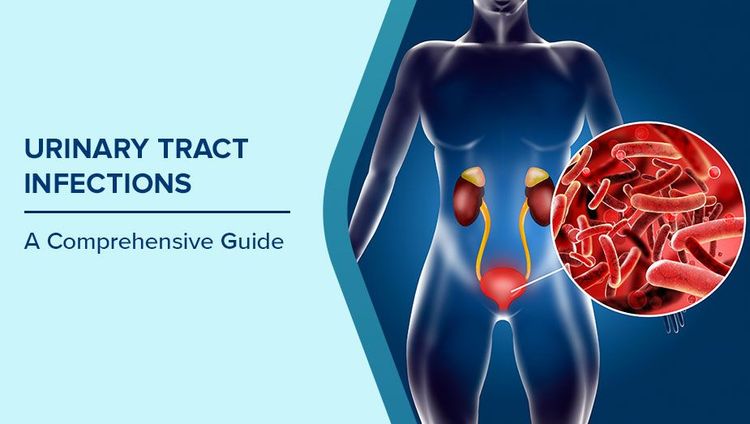
UTI (Urinary Tract Infection): Symptoms, Causes, Treatment & Prevention
Urinary Tract Infection (UTI) is one of the most common bacterial infections affecting millions of people worldwide every year. While UTIs are more common in women, men and children can also develop them. If left untreated, a simple bladder infection can progress into a serious kidney infection.
In this medically reviewed and SEO-optimized guide, we will cover everything you need to know about UTI symptoms, causes, diagnosis, treatment, antibiotics, home remedies, prevention tips, UTI in pregnancy, recurrent UTIs, and when to see a doctor.
What is a UTI (Urinary Tract Infection)?
A Urinary Tract Infection (UTI) is an infection that affects any part of the urinary system, including:
- Kidneys
- Ureters
- Bladder
- Urethra
Most commonly, UTIs affect the bladder and urethra, a condition known as cystitis.
The majority of UTIs are caused by bacteria, especially Escherichia coli (E. coli), which normally live in the digestive tract.
Types of Urinary Tract Infections
Understanding the type of UTI helps in proper treatment.
1. Acute Cystitis (Bladder Infection)
- Most common type
- Causes burning urination and frequent urge to urinate
2. Urethritis
- Infection of the urethra
- Often associated with sexually transmitted infections (STIs)
3. Pyelonephritis (Kidney Infection)
- Serious type of UTI
- Can cause fever, back pain, nausea, and vomiting
- Requires immediate medical attention
UTI Symptoms in Women and Men
Recognizing early UTI symptoms can prevent complications.
Common UTI Symptoms:
- Burning sensation while urinating
- Frequent urination
- Urgent need to urinate
- Cloudy urine
- Strong-smelling urine
- Pelvic pain (especially in women)
- Lower abdominal pain
- Blood in urine (hematuria)
Symptoms of Kidney Infection:
- High fever
- Chills
- Flank pain (side/back pain)
- Nausea and vomiting
- Fatigue
UTI Symptoms in Women
Women are at higher risk due to shorter urethra. Additional symptoms include:
- Pelvic discomfort
- Vaginal irritation (in some cases)
UTI Symptoms in Men
Though less common, UTIs in men can indicate underlying issues:
- Rectal pain
- Prostate discomfort
- Difficulty urinating
Causes of UTI
Understanding UTI causes helps in prevention.
Common Causes:
- Bacterial infection (mostly E. coli)
- Poor hygiene
- Sexual activity
- Holding urine for long periods
- Dehydration
- Use of urinary catheters
- Kidney stones
- Enlarged prostate (in men)
Risk Factors:
- Being female
- Pregnancy
- Diabetes
- Weak immune system
- Menopause
- Use of spermicides
- Recurrent UTIs history
UTI in Women: Why Is It So Common?
UTI in women is extremely common due to:
- Short urethra
- Proximity of urethra to anus
- Hormonal changes
- Pregnancy
- Sexual intercourse
Nearly 50–60% of women experience at least one UTI in their lifetime.
UTI in Pregnancy: Is It Dangerous?
UTI during pregnancy should never be ignored.
Pregnant women are more prone due to:
- Hormonal changes
- Pressure on bladder
- Slower urine flow
Untreated UTI in pregnancy can lead to:
- Preterm labor
- Low birth weight
- Kidney infection
Routine urine testing is recommended during pregnancy.
Recurrent UTI: Why Does It Keep Coming Back?
Recurrent UTI is defined as:
- 2 or more infections in 6 months
- 3 or more infections in 1 year
Causes may include:
- Incomplete treatment
- Antibiotic resistance
- Hormonal imbalance
- Structural abnormalities
- Post-menopausal changes
A doctor may recommend:
- Longer antibiotic course
- Preventive low-dose antibiotics
- Lifestyle changes
How is UTI Diagnosed?
Early diagnosis ensures proper treatment.
Common Diagnostic Tests:
- Urine Routine & Microscopy
- Urine Culture and Sensitivity Test
- Ultrasound (in recurrent cases)
- CT Scan (if kidney infection suspected)
Urine culture helps identify the exact bacteria and appropriate antibiotic.
UTI Treatment: What Works Best?
1. Antibiotics for UTI
The most effective treatment for bacterial UTI is antibiotics.
Commonly prescribed antibiotics include:
- Nitrofurantoin
- Fosfomycin
- Trimethoprim-sulfamethoxazole
- Ciprofloxacin (in selected cases)
Important: Always complete the full antibiotic course even if symptoms improve.
2. Pain Relief
Doctors may prescribe:
- Phenazopyridine for burning sensation
- Pain relievers (as needed)
3. Severe UTI Treatment
Hospitalization and IV antibiotics may be required for:
- Kidney infection
- High fever
- Vomiting
- Pregnancy complications
Home Remedies for UTI (Supportive Care)
Home remedies may help relieve symptoms but do NOT replace antibiotics.
1. Drink Plenty of Water
Helps flush out bacteria.
2. Cranberry Juice
May reduce bacterial adhesion to bladder wall.
3. Probiotics
Help maintain healthy vaginal flora.
4. Avoid Irritants
- Avoid caffeine
- Avoid alcohol
- Avoid spicy foods
5. Urinate Frequently
Do not hold urine.
How to Prevent UTI Naturally?
Prevention is always better than cure.
UTI Prevention Tips:
- Drink 2–3 liters of water daily
- Wipe front to back (for women)
- Urinate after sexual activity
- Avoid tight synthetic underwear
- Maintain genital hygiene
- Avoid unnecessary antibiotic use
- Control blood sugar (in diabetics)
Post-menopausal women may benefit from vaginal estrogen (as advised by doctor).
When to See a Doctor?
Seek immediate medical attention if you experience:
- Fever above 101°F
- Severe back pain
- Blood in urine
- Vomiting
- Symptoms during pregnancy
- Recurrent UTIs
Ignoring UTI symptoms can lead to kidney damage or sepsis
Frequently Asked Questions (FAQs)
1. Can UTI go away on its own?
Mild UTIs may improve temporarily, but most require antibiotics to prevent complications.
2. How long does UTI last?
With antibiotics, symptoms improve within 24–48 hours.
3. Is UTI contagious?
No, but sexual activity can increase risk.
4. Can men get UTI?
Yes, though less common. It may signal prostate or urinary issues.
5. What color is urine in UTI?
Cloudy, dark, or sometimes pink (if blood is present).
Complications of Untreated UTI
If untreated, UTI can lead to:
- Kidney infection (Pyelonephritis)
- Permanent kidney damage
- Sepsis (life-threatening infection)
- Pregnancy complications
Early treatment is essential.
Final Thoughts
UTI (Urinary Tract Infection) is common but should never be ignored. Early diagnosis, proper antibiotic treatment, and preventive measures can significantly reduce complications.
If you experience symptoms like burning urination, frequent urge to urinate, or pelvic pain, consult a qualified healthcare provider immediately. Self-medication and incomplete antibiotic courses can lead to antibiotic resistance and recurrent infections.
Prioritize your urinary health. Timely action can prevent serious complications and ensure faster recovery.
References:
- National Institute of Diabetes and Digestive and Kidney Diseases (NIDDK)
https://www.niddk.nih.gov/health-information/urologic-diseases/urinary-tract-infections - Centers for Disease Control and Prevention (CDC)
https://www.cdc.gov/antibiotic-use/uti.html - Mayo Clinic – Urinary Tract Infection (UTI)
https://www.mayoclinic.org/diseases-conditions/urinary-tract-infection - World Health Organization (WHO) – Antimicrobial Resistance
https://www.who.int/news-room/fact-sheets/detail/antimicrobial-resistance

