

Mirena Insertion: Complete Guide to Procedure, Benefits, Risks & Recovery
Choosing the right birth control method is an important decision for every woman. Among the most trusted and highly effective long-acting contraceptive options available today is Mirena, a hormonal intrauterine device (IUD).
If you are searching for Mirena insertion procedure, Mirena benefits, Mirena side effects, Mirena cost, Mirena effectiveness or recovery time, this comprehensive guide will help you understand everything clearly and confidently.
What is Mirena?
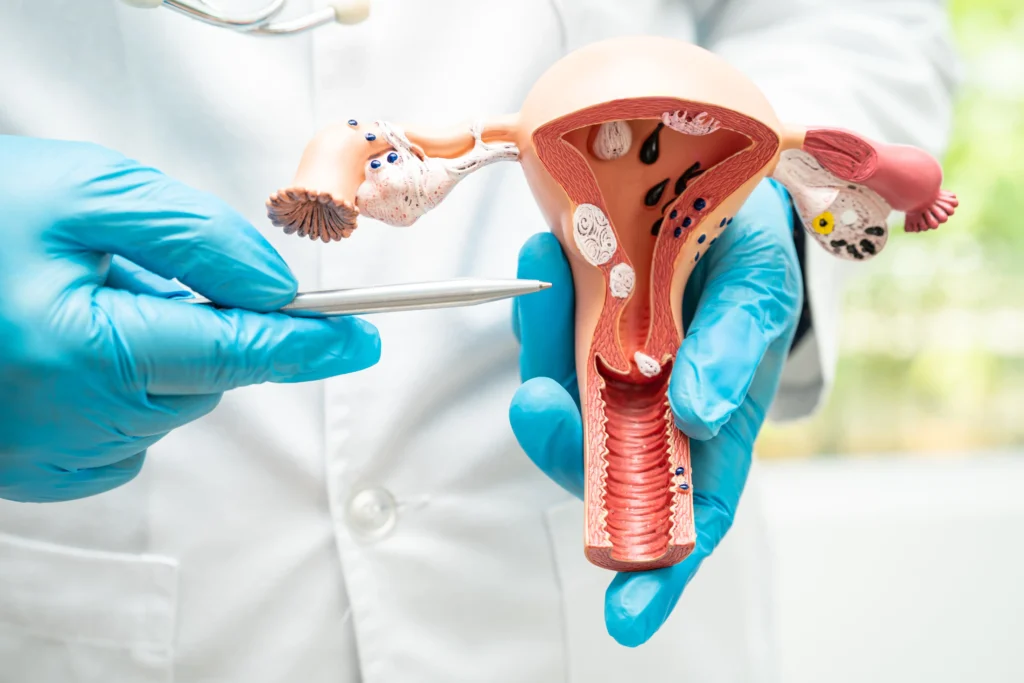
Mirena is a T-shaped hormonal intrauterine device (IUD) placed inside the uterus to prevent pregnancy. It releases a hormone called levonorgestrel, which thickens cervical mucus, thins the uterine lining, and prevents sperm movement — making pregnancy extremely unlikely.
It is considered a long-acting reversible contraceptive (LARC) and can remain effective for up to 8 years depending on medical advice and individual health conditions.
Mirena is also widely used for treating heavy menstrual bleeding, painful periods, endometriosis symptoms, and anemia caused by excessive bleeding.
Who Should Consider Mirena Insertion?
Mirena insertion may be recommended for women who:
- Want long-term birth control
- Experience heavy or painful periods
- Want a hormonal contraceptive with minimal daily effort
- Prefer a reversible contraception method
- Cannot take estrogen-based contraceptives
- Need management of endometrial hyperplasia or fibroids
However, Mirena may not be suitable for women with active pelvic infections, unexplained vaginal bleeding, uterine abnormalities, or certain cancers.
Mirena Insertion Procedure
Preparation Before Mirena Insertion
Before the procedure, your doctor will:
- Take a detailed medical history
- Perform a pelvic examination
- Conduct pregnancy testing or STI screening if required
- Suggest taking pain relief medication like NSAIDs before insertion to reduce cramps
Mirena can be inserted:
- During menstruation
- Immediately after childbirth or abortion
- At any time when pregnancy is ruled out
Step-by-Step Mirena Insertion Process
The Mirena insertion procedure is usually completed in 10–20 minutes and is performed in a clinic or hospital setting.
Here’s what typically happens:
- A speculum is inserted into the vagina to visualize the cervix
- The cervix is gently cleaned and stabilized
- The uterine depth is measured
- Mirena is inserted through a thin tube into the uterus
- The tube is removed and the device stays in place
- The strings are trimmed for future removal
Once placed correctly, Mirena works immediately if inserted during the menstrual cycle.
How Effective is Mirena?
Mirena is one of the most effective birth control methods, with less than 1% pregnancy risk per year during typical use.
Benefits of its effectiveness include:
- No daily pills to remember
- No interruption during intimacy
- Long-term reliable protection
- Rapid return of fertility after removal
Benefits of Mirena Insertion
1. Long-Lasting Contraception
Mirena provides continuous pregnancy protection for several years, making it highly convenient for women seeking reliable birth control.
2. Reduced Menstrual Bleeding
Many users notice lighter periods or even complete absence of menstruation after one year, improving quality of life.
3. Relief from Period Pain
Mirena can significantly reduce menstrual cramps and pelvic pain associated with conditions like endometriosis.
4. Improves Anemia
By reducing blood loss during periods, Mirena helps prevent or improve iron deficiency anemia.
5. Reversible Birth Control
Fertility usually returns quickly after Mirena removal, making it ideal for women planning pregnancy in the future.
6. Low Maintenance
Once inserted, Mirena requires minimal attention, unlike oral contraceptives or injections.
Possible Side Effects of Mirena
Like any medical procedure or hormonal treatment, Mirena insertion may cause some side effects.
Common Side Effects
- Irregular bleeding or spotting
- Cramping after insertion
- Headache
- Breast tenderness
- Acne
- Mood changes
These symptoms usually improve within 3 months of insertion.
Risks Associated with Mirena Insertion
Although rare, certain risks may occur:
1. Device Expulsion
In some cases, Mirena may partially or completely come out of the uterus, especially in the first few weeks.
2. Uterine Perforation
Very rarely, insertion may cause a tear in the uterine wall, particularly when inserted soon after childbirth.
3. Infection
There is a small risk of pelvic infection during or shortly after insertion.
4. Ectopic Pregnancy
If pregnancy occurs with Mirena in place, the risk of ectopic pregnancy increases.
Pain and Recovery After Mirena Insertion
Many women experience mild to moderate cramping during insertion, similar to menstrual pain.
Recovery Tips
- Rest for a few hours after insertion
- Take prescribed pain relief medication
- Use heating pads to reduce cramps
- Avoid intercourse or heavy exercise for 24–48 hours
Most women can resume normal activities the same day or next day.
When to See a Doctor After Mirena Insertion
Seek medical help if you experience:
- Severe pelvic pain
- Fever or unusual discharge
- Heavy bleeding
- Inability to feel Mirena strings
- Signs of pregnancy
These may indicate infection, expulsion, or improper placement.
Mirena Removal Procedure
Mirena removal is usually quick and simple. The doctor gently pulls the strings and the device folds and slides out of the uterus.
Light bleeding or cramping may occur temporarily after removal.
Mirena Cost in India
The cost of Mirena insertion in India may vary depending on:
- Doctor’s expertise
- Hospital or clinic setup
- Consultation charges
- Follow-up visits
On average, Mirena insertion cost can range between ₹8,000 to ₹20,000 or more in private healthcare setups.
Frequently Asked Questions (FAQs)
Does Mirena Stop Periods?
Yes, about 20% of users may stop having periods after one year of Mirena use.
Can I Get Pregnant After Mirena Removal?
Yes. Fertility returns quickly, and many women conceive within months after removal.
Is Mirena Safe for Young Women?
Yes, Mirena is considered safe for teenagers and young adults who want long-term contraception.
Does Mirena Protect Against STDs?
No. Mirena does not protect against sexually transmitted infections.
Final Thoughts
Mirena insertion is a safe, effective, long-term birth control solution that offers multiple health benefits beyond contraception. From reducing heavy periods and cramps to providing worry-free pregnancy protection for years, it has become one of the most preferred contraceptive methods worldwide.
However, the decision to undergo Mirena insertion should always be made after consultation with a qualified gynecologist who can assess your medical history, lifestyle needs, and reproductive goals.
If you are considering Mirena, proper counselling and expert insertion significantly improve comfort, safety, and satisfaction with this advanced contraceptive method.
🔗 Sources

