

Hantavirus: A Rare but Serious Viral Infection You Should Not Ignore
In recent weeks, the term Hantavirus has gained global attention due to reported outbreaks and increasing public concern. Although rare, hantavirus infection can become life-threatening if not identified and treated early. The virus mainly spreads through infected rodents such as rats and mice, making awareness and prevention extremely important.
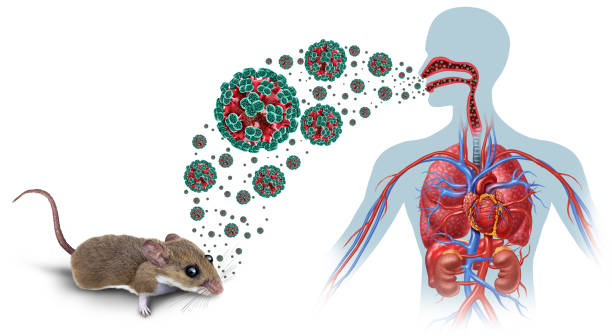
Many people confuse hantavirus with common flu or viral fever because the early symptoms are quite similar. However, in severe cases, the infection can rapidly affect the lungs, heart, and kidneys, leading to dangerous complications.
This detailed guide explains everything you need to know about hantavirus, including its causes, symptoms, transmission, diagnosis, treatment, prevention, mortality rate, myths, and frequently asked questions.
What is Hantavirus?
Hantavirus is a group of viruses carried mainly by rodents. Humans can become infected after coming into contact with rodent urine, saliva, droppings, or contaminated dust particles. The disease is considered a zoonotic infection, meaning it spreads from animals to humans.
There are two major forms of hantavirus disease:
1. Hantavirus Pulmonary Syndrome (HPS)
This form mainly affects the lungs and heart and is commonly reported in North and South America.
2. Hemorrhagic Fever with Renal Syndrome (HFRS)
This form affects the kidneys and blood vessels and is more common in Europe and Asia.
Hantavirus Pulmonary Syndrome (HPS) is considered more severe and can progress rapidly if not treated on time. According to the World Health Organization (WHO), the fatality rate of severe HPS can reach up to 50% in some cases.
How Does Hantavirus Spread?
Hantavirus spreads primarily through exposure to infected rodents or their body fluids. The most common transmission routes include:
- Breathing contaminated air containing rodent urine or droppings
- Touching contaminated surfaces and then touching the face
- Cleaning rodent-infested areas without protection
- Rodent bites (rare cases)
- Exposure to contaminated nesting materials
Common high-risk areas include:
- Old storage rooms
- Warehouses
- Basements
- Farms
- Cabins
- Garages
- Closed rooms with rodent infestation
The virus becomes airborne when contaminated dust particles are disturbed during sweeping or vacuum cleaning.
Can Hantavirus Spread From Human to Human?
In most cases, hantavirus does not spread from one person to another. However, a rare strain called the Andes virus, mainly found in South America, has shown limited human-to-human transmission among close contacts.
Health experts have clarified that hantavirus is not similar to COVID-19 and does not spread rapidly through the air between people.
Symptoms of Hantavirus Infection
The symptoms usually appear between 1 to 8 weeks after exposure. Early diagnosis is difficult because the symptoms resemble flu, dengue, or viral fever.
Early Symptoms of Hantavirus
- Fever
- Fatigue
- Muscle pain
- Headache
- Chills
- Body aches
- Nausea
- Vomiting
- Diarrhea
- Abdominal pain
Severe Symptoms of Hantavirus
As the disease progresses, patients may develop:
- Cough
- Shortness of breath
- Chest tightness
- Fluid accumulation in lungs
- Low blood pressure
- Kidney failure
- Difficulty breathing
- Shock
In severe cases, emergency hospitalization and ICU care may be required.
Who is at Higher Risk?
Certain people have a higher risk of hantavirus exposure:
- Farmers
- Pest control workers
- Warehouse workers
- Forest workers
- Campers and trekkers
- People cleaning old buildings or closed spaces
- Individuals living in rodent-infested homes
Poor sanitation and improper waste management can increase rodent populations and infection risk.
How is Hantavirus Diagnosed?
Doctors diagnose hantavirus based on:
- Clinical symptoms
- Exposure history
- Travel history
- Laboratory tests
Diagnostic tests may include:
- Blood tests
- RT-PCR testing
- Antibody testing (IgM and IgG)
- Chest X-ray
- Oxygen level monitoring
Early diagnosis is extremely important because severe lung complications can develop rapidly.
Treatment of Hantavirus
Currently, there is no specific antiviral cure for hantavirus infection. Treatment mainly focuses on supportive care and managing complications.
Treatment May Include:
- Oxygen therapy
- Intravenous fluids
- Ventilator support
- Intensive care monitoring
- Dialysis (for kidney complications)
Early hospitalization significantly improves survival chances.
Hantavirus Prevention Tips
Prevention is the best defense against hantavirus infection. The CDC and WHO strongly recommend avoiding contact with rodents and cleaning contaminated areas safely.
Important Prevention Measures
1. Control Rodents
- Seal holes and cracks in homes
- Use traps safely
- Store food properly
- Dispose garbage regularly
2. Clean Safely
Never dry sweep or vacuum rodent droppings.
Instead:
- Wear gloves and masks
- Ventilate the area for at least 30 minutes
- Spray disinfectant or bleach solution
- Wait before cleaning
- Use paper towels to wipe surfaces
3. Maintain Hygiene
- Wash hands regularly
- Avoid touching the face after cleaning
- Keep surroundings clean
4. Protect High-Risk Areas
- Clean storage spaces carefully
- Avoid sleeping in rodent-infested rooms
- Use protective gear during cleaning work
Is Hantavirus Common in India?
Hantavirus infection is considered rare in India, and only limited cases have been reported. However, due to increasing urbanization, poor sanitation, and rodent exposure, awareness remains important.
Health experts recommend taking precautions especially in rural areas, farms, old buildings, and places with rodent infestation.
Hantavirus vs COVID-19: What is the Difference?
Many people panic when they hear about viral outbreaks. However, hantavirus and COVID-19 are very different diseases.
| Feature | Hantavirus | COVID-19 |
|---|---|---|
| Main Source | Rodents | Human transmission |
| Spread | Rodent urine/droppings | Respiratory droplets |
| Human-to-human spread | Very rare | Common |
| Affected organs | Lungs & kidneys | Mainly respiratory system |
| Vaccine | No approved vaccine | Vaccines available |
Experts confirm that hantavirus is not likely to cause a pandemic similar to COVID-19.
When Should You See a Doctor?
Seek immediate medical attention if you develop:
- Fever after rodent exposure
- Difficulty breathing
- Severe weakness
- Persistent cough
- Chest tightness
- Sudden shortness of breath
Early medical intervention can save lives.
Common Myths About Hantavirus
Myth 1: Hantavirus spreads like COVID-19
False. Most hantavirus strains do not spread easily between humans.
Myth 2: Only dirty places have hantavirus
False. Even clean homes can attract rodents.
Myth 3: All rats carry hantavirus
False. Only infected rodents carry the virus.
Myth 4: Hantavirus always causes death
False. Early diagnosis and proper supportive treatment improve survival rates significantly.
Frequently Asked Questions (FAQs)
Is hantavirus contagious?
Mostly no. Human-to-human spread is extremely rare.
Can hantavirus be cured?
There is no specific cure, but supportive treatment can help recovery.
What kills hantavirus?
Disinfectants like bleach solutions help destroy the virus on surfaces.
How long does hantavirus survive in air?
The virus can survive for a short period depending on environmental conditions, especially in enclosed spaces.
Is hantavirus airborne?
It can become airborne when contaminated dust from rodent droppings is disturbed.
Final Thoughts
Hantavirus may be rare, but it should never be ignored. Awareness, proper hygiene, rodent control, and early medical care are the most effective ways to prevent severe complications. People working in farms, warehouses, storage areas, and rodent-prone environments should remain especially cautious.
The good news is that hantavirus does not spread easily between humans in most situations. By following medically approved prevention measures and seeking timely treatment, the risk of serious illness can be reduced significantly.

