

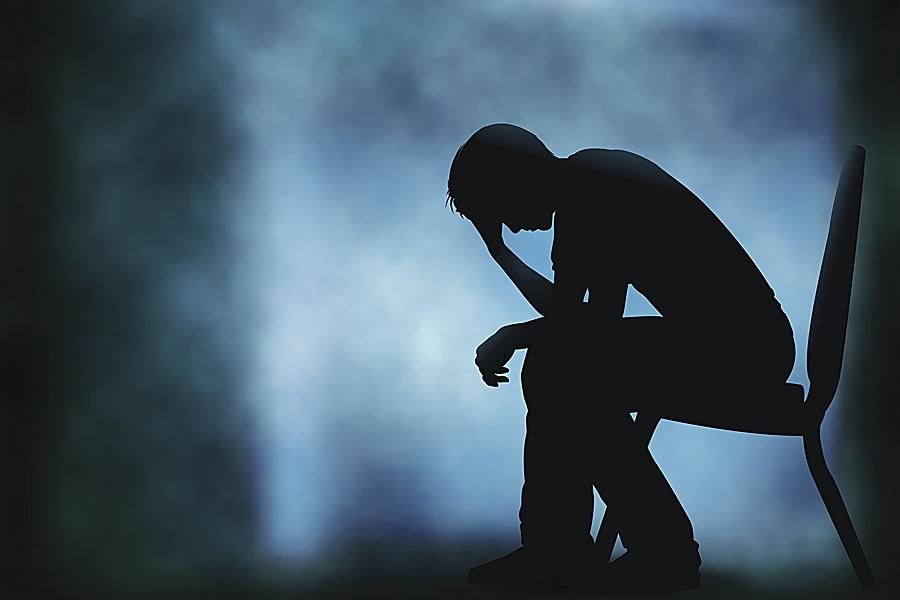
Introduction: Understanding Depression
Depression is more than just feeling sad or going through a rough patch—it is a serious mental health condition that affects how a person thinks, feels, and functions in daily life. Often referred to as major depressive disorder, depression can interfere with work, relationships, and overall well-being.
According to global health data, depression affects millions of people worldwide and is one of the leading causes of disability. In India alone, a significant percentage of adults experience mental health issues, with depression being among the most common.
Despite its prevalence, depression often goes undiagnosed and untreated due to stigma, lack of awareness, and limited access to care.
What is Depression?
Depression is a common mental disorder characterized by persistent sadness, loss of interest in activities, and reduced ability to function for at least two weeks or more.
It is important to differentiate depression from normal mood fluctuations. While everyone feels low occasionally, depression is deeper, longer-lasting, and more impactful.
Common Symptoms of Depression
Recognizing the symptoms of depression early can help in timely diagnosis and treatment. Symptoms can vary from person to person but commonly include:
Emotional Symptoms:
- Persistent sadness or emptiness
- Feelings of hopelessness or worthlessness
- Irritability or frustration
- Loss of interest in hobbies or activities
Physical Symptoms:
- Fatigue or low energy
- Changes in appetite (weight loss or gain)
- Sleep disturbances (insomnia or oversleeping)
- Unexplained body aches
Cognitive Symptoms:
- Difficulty concentrating
- Indecisiveness
- Negative thinking patterns
Severe Symptoms:
- Thoughts of self-harm or suicide
These symptoms must persist for at least two weeks to be clinically considered depression.
Causes of Depression
Depression does not have a single cause—it results from a complex interaction of biological, psychological, and social factors.
1. Biological Factors
- Genetic predisposition
- Brain chemistry imbalance
- Hormonal changes
2. Psychological Factors
- Low self-esteem
- Trauma or abuse
- Chronic stress
3. Social & Environmental Factors
- Financial stress or unemployment
- Relationship issues
- Social isolation
4. Medical Conditions
Depression is often linked with chronic illnesses such as diabetes, cardiovascular diseases, and cancer.
5. Substance Abuse
Alcohol and drug use can worsen or trigger depressive symptoms.
Types of Depression
Understanding the different types of depression helps in proper diagnosis and treatment:
- Major Depressive Disorder (MDD) – Severe and long-lasting symptoms
- Persistent Depressive Disorder (Dysthymia) – Chronic, mild depression
- Postpartum Depression – Occurs after childbirth
- Seasonal Affective Disorder (SAD) – Linked to seasonal changes
- Bipolar Depression – Alternates between depression and mania
Depression in India: A Growing Concern
Mental health challenges are rising in India due to urbanization, lifestyle changes, and increasing stress levels.
- Millions of Indians suffer from depression, yet many remain untreated.
- Studies show a significant gap in diagnosis and treatment, especially in rural areas.
- Social stigma continues to be one of the biggest barriers to seeking help.
This highlights the urgent need for awareness, early detection, and accessible mental healthcare services.
Diagnosis of Depression
Depression is diagnosed by a qualified mental health professional through:
- Clinical interviews
- Psychological assessments
- Symptom evaluation (duration and severity)
There is no single lab test for depression, which is why professional evaluation is essential.
Effective Treatment Options for Depression
The good news is that depression is treatable, and many people recover fully with the right approach.
1. Psychotherapy (Talk Therapy)
- Cognitive Behavioral Therapy (CBT)
- Interpersonal Therapy (IPT)
These therapies help individuals identify negative thought patterns and develop healthier coping mechanisms.
2. Medications
- Antidepressants help balance brain chemicals
- Prescribed by psychiatrists based on severity
3. Lifestyle Changes
- Regular exercise
- Healthy diet
- Proper sleep
- Stress management techniques
4. Advanced Treatments
In severe cases, advanced treatments like brain stimulation therapies may be used under medical supervision.
Natural Ways to Manage Depression
While medical treatment is essential, lifestyle and natural approaches can support recovery:
- Practice mindfulness and meditation
- Engage in physical activity
- Maintain social connections
- Limit alcohol and screen time
- Follow a structured daily routine
Prevention of Depression
Prevention strategies can significantly reduce the risk of depression:
- Build emotional resilience
- Seek support during stressful times
- Maintain work-life balance
- Educate yourself about mental health
- Encourage open conversations
Community-based programs and early intervention strategies have proven effective in reducing depression rates.
When to See a Doctor?
Seek professional help if:
- Symptoms persist for more than two weeks
- Daily functioning is affected
- You experience suicidal thoughts
Early intervention can prevent complications and improve recovery outcomes.
Breaking the Stigma Around Depression
One of the biggest challenges in mental healthcare is stigma. Many individuals hesitate to seek help due to fear of judgment.
Depression is a medical condition—not a weakness. Seeking help is a sign of strength, not failure.
Conclusion
Depression is a serious but treatable mental health condition that affects millions worldwide. With proper awareness, timely diagnosis, and effective treatment, individuals can lead fulfilling and healthy lives.
If you or someone you know is struggling with depression, do not ignore the signs. Reach out, seek help, and remember—you are not alone.
Resources & References
- World Health Organization – Depression Overview
https://www.who.int/india/health-topics/depression - WHO Fact Sheet on Depression
https://www.who.int/news-room/fact-sheets/detail/depression - JAMA Psychiatry – Depression in India Study
https://jamanetwork.com/journals/jamapsychiatry/article-abstract/2825465 - WHO Mental Health India
https://www.who.int/india/health-topics/mental-health - Cadabams Mental Health Resource
https://www.cadabams.org/illness/depression - The Balance Clinic – Depression in India
https://thebalance.clinic/resources/mental-health/depression/depression-in-india

