

How to Take Care of Health in High Pollution: A Complete Guide to Stay Safe & Breathe Cleaner Air
Air pollution has become one of the biggest modern-day health threats. Whether you live in a metro city, industrial area, or near high-traffic zones, poor air quality directly affects your lungs, heart, immunity, skin, and even mental health. Cities like Delhi, Gurugram, Mumbai, and Kolkata frequently witness AQI levels above 300, crossing the “hazardous” mark, especially during winters, construction periods, harvest burning, and festive seasons like Diwali.
If you breathe this air daily (well… all of us do!), taking the right steps can literally protect years of your life. This blog dives deep into practical, scientifically backed ways to protect your health in high pollution, suitable for kids, adults, elderly, pregnant women, and people with chronic diseases.
Let’s break it down in a simple, actionable, and life-saving way.
Why Is Air Pollution So Dangerous?
Before we talk solutions, it’s important to know the enemy.
Polluted air contains:
- PM2.5 and PM10 particles (very harmful, enter lungs and bloodstream)
- Nitrogen dioxide (NO2)
- Sulphur dioxide (SO2)
- Carbon monoxide (CO)
- Volatile Organic Compounds (VOCs)
- Ozone (O3)
These toxins cause:
- Breathing difficulty
- Sneezing, cough, mucus formation
- Headaches, fatigue
- Chest tightness
- Worsening of asthma/COPD
- Increased risk of heart attack or stroke
- Skin allergies
- Low immunity
- Eye irritation
- Reduced lung capacity
That’s why taking preventive steps is not optional anymore — it’s essential.
1. Monitor Air Quality Daily (Most Important Habit)
Always check the AQI (Air Quality Index) of your area before stepping outside.
Major apps & websites:
- AQI India App
- SAFAR Air Quality
- India Pollution Control Board website
- IQAir website
- Google Weather AQI
AQI Below 50: Good
50–100: Moderate
100–200: Unhealthy for sensitive groups
200–300: Very unhealthy
300+ : Hazardous
If AQI crosses 200, outdoor exposure must be reduced.
If it crosses 300, avoid outdoor activity completely.
High-volume keywords: AQI meaning, air quality index today, how to check pollution level, pollution level in my city.
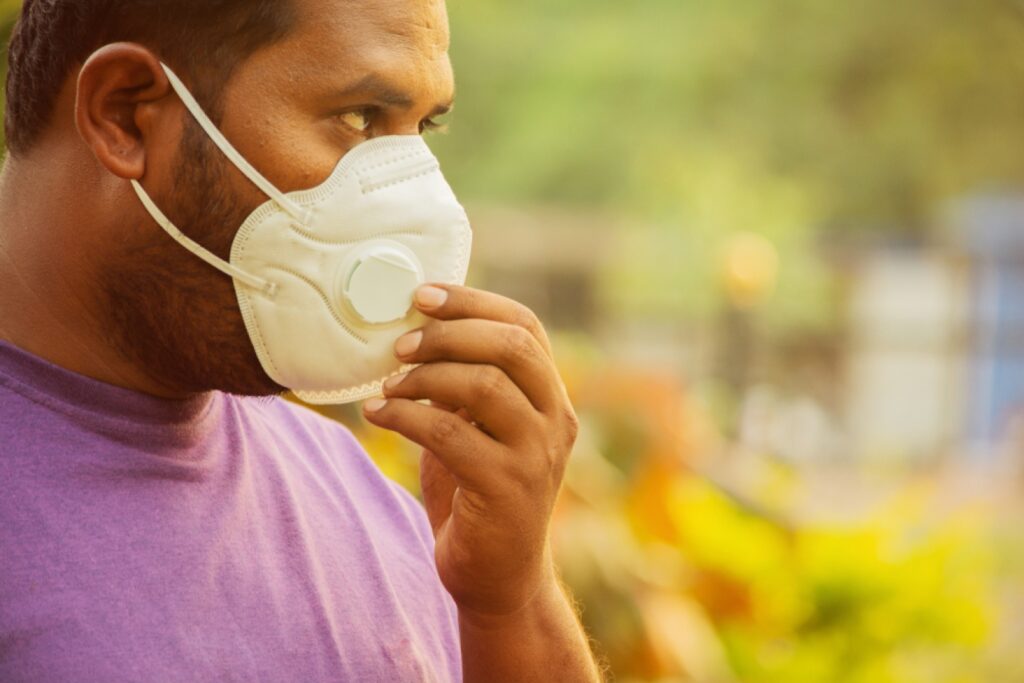
2. Wear the Right Mask (Cloth Masks Are Useless Against Pollution)
Let’s be real — those simple cloth masks don’t protect against pollution at all.
You need proper filtration masks, especially in AQI above 150.
Best Masks for High Pollution
- N95 mask
- N99 mask
- FFP2 mask
- Activated carbon mask
These filter PM2.5 and PM10 particles effectively.
Tips for Using Pollution Masks
- Ensure a tight seal around the face
- Replace disposable masks every 3–5 days
- Wash reusable masks as instructed
- Do NOT use masks with valves (not safe)
High-volume keywords: best mask for air pollution, N95 vs N99 mask, anti-pollution mask.
3. Improve Indoor Air Quality (Because Indoor Pollution Can Be Worse!)
This one surprises most people: your home can be 5x more polluted than outside because pollutants get trapped indoors.
How to Purify Indoor Air Naturally
- Keep windows closed during peak pollution hours (6–10 AM, 5–10 PM)
- Use air purifiers with HEPA filters
- Use exhaust fans in kitchen, bathroom
- Avoid incense sticks, candles, mosquito coils
- Use indoor air-purifying plants like:
- Peace Lily
- Snake Plant
- Areca Palm
- Aloe Vera
- Maintain humidity between 40–60%
Air Purifier Tips
- Choose HEPA 13 or above
- Clean filters regularly
- Keep it on for 8–12 hours daily during high pollution
High-volume keywords: best air purifiers in India, home air purifier benefits, indoor pollution control.
4. Strengthen Your Lungs With Breathing Exercises
Healthy lungs = higher protection.
Best Lung Cleansing Exercises
- Deep breathing (Pranayama)
- Kapalbhati (avoid if pregnant or have heart issues)
- Anulom-Vilom
- Bhramari
- Pursed-lip breathing
- Diaphragmatic breathing
Do these for 10–15 minutes daily to improve lung capacity and oxygen efficiency.
High-volume keywords: breathing exercises for lungs, yoga for lungs, how to increase lung capacity naturally.
5. Eat Pollution-Fighting Foods (Your Diet Is Your Shield)
Pollution increases free radicals and inflammation inside the body.
Your diet can play a huge role in combating this.
Best Foods to Eat in High Pollution
Antioxidant-rich foods:
- Berries
- Oranges
- Apples
- Broccoli
- Spinach
- Carrots
Vitamin C foods:
- Lemon
- Amla
- Kiwi
- Tomatoes
Omega-3 rich foods:
- Walnuts
- Salmon
- Flax seeds
- Chia seeds
Anti-inflammatory foods:
- Haldi (Turmeric + black pepper)
- Ginger
- Garlic
Hydrating foods:
- Coconut water
- Cucumber
- Watermelon
Avoid These During High Pollution
- Junk food
- Deep fried foods
- Too much sugar
- Smoking & alcohol
- Artificial fragrances
High-volume keywords: best foods for lungs, pollution detox diet, anti-pollution foods, foods that boost immunity.
6. Stay Hydrated (Pollution Dries Out the Body From Inside)
Pollution thickens your mucus and makes breathing harder.
Proper hydration helps your body flush out toxins.
Drink at least:
- 2–3 liters of water
- Herbal teas (ginger tea, turmeric tea, tulsi tea)
- Warm water for better lung clearance
High-volume keywords: detox drinks for pollution, hydration benefits, best teas for immunity.
7. Protect Your Skin & Eyes (Pollution Damages Skin Cells Quickly)
High pollution leads to acne, dryness, pigmentation, early aging, and irritation.
Skincare Routine During Pollution Season
- Cleanse face twice daily
- Use a moisturizer with ceramides
- Apply Vitamin C serum
- Wear SPF 30+ sunscreen
- Avoid heavy makeup
- Use barrier creams if outdoors
Eye Protection
- Use lubricating eye drops
- Wear protective glasses while driving
- Rinse eyes with clean water
High-volume keywords: pollution skincare routine, how to protect skin from pollution, pollution damage to skin.
8. Reduce Outdoor Activities (Especially Walking or Jogging)
Outdoor exercise increases air intake by 3–5 times, meaning you inhale more pollutants.
Avoid:
- Morning jogs
- Outdoor gym sessions
- Cycling during traffic hours
Prefer:
- Indoor workouts
- Home yoga
- Treadmill walking at home
- Evening workouts when AQI is slightly better
High-volume keywords: exercise in pollution, safe time to exercise outdoors, running in polluted air.
9. Use Steam Inhalation & Nasal Rinsing
These help remove pollutants trapped inside your airways.
Steam inhalation (5 minutes)
- Loosens mucus
- Clears nasal passages
- Reduces irritation
Nasal rinsing with saline water
- Cleans pollutants
- Prevents infections
- Improves breathing
High-volume keywords: steam inhalation benefits, nasal rinse for pollution, sinus cleansing.
10. Boost Your Immunity (Pollution Weakens Immunity Over Time)
To fight pollutants, your immunity must be strong.
Ways to Boost Immunity
- Balanced diet
- Enough sleep (7–8 hours)
- Regular exercise
- Herbal supplements (consult doctor):
- Giloy
- Ashwagandha
- Tulsi drops
- Vitamin C
- Zinc
- Reduce stress
- Avoid smoking
High-volume keywords: how to boost immunity naturally, immunity boosting foods, supplements for immunity.
11. Extra Precautions for Kids, Elderly & Pregnant Women
These groups are more vulnerable.
Kids
- Avoid playgrounds during high pollution
- Keep them indoors during morning hours
- Give warm water and immune-boosting foods
Elderly
- Avoid stepping out without masks
- Keep inhalers available (if asthmatic)
- Regular health checkups
Pregnant Women
- Avoid pollution exposure as much as possible
- Use air purifiers at home
- Stay hydrated
- Use doctor-recommended supplements
High-volume keywords: pollution effects on children, pollution in pregnancy, elderly pollution care tips.
12. When Should You See a Doctor?
Seek medical help if you experience:
- Persistent cough
- Breathing difficulty
- Chest pain
- Wheezing
- Burning eyes
- Severe fatigue
- Blue lips or fingertips
- Worsening of asthma symptoms
Never ignore pollution-related symptoms — they worsen silently.
Final Thoughts
High pollution is not just an environmental issue — it’s a personal health emergency. You can’t control the outside environment completely, but you can absolutely take charge of your internal protection, your home, your habits, and your lifestyle.
With the right precautions, a strong immune system, and awareness, you can reduce the harmful effects of pollution by up to 70–80%.
Stay safe, stay healthy, and breathe cleaner — every small step matters.
References:
- https://www.who.int/health-topics/air-pollution
- https://www.epa.gov/air-trends
- https://www.iqair.com/in-en
- https://www.cdc.gov/air/pollution
- https://www.safar.tropmet.res.in/

