

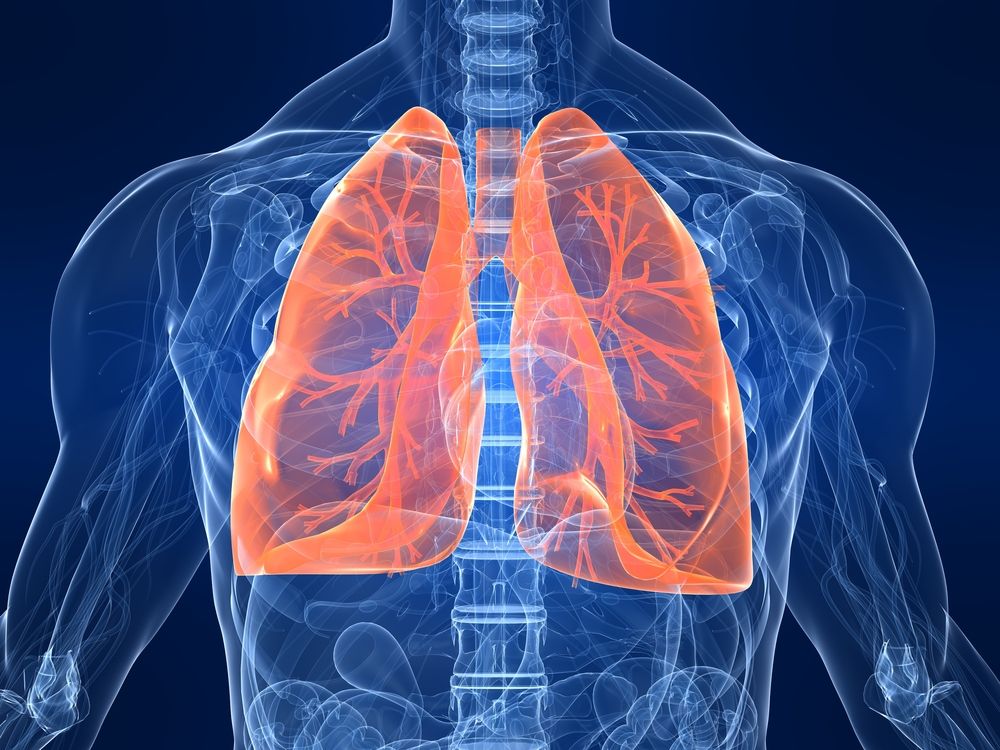
How to Take Care of Your Lungs in This Changing Season?
Seasonal changes bring fresh weather, festivals, and new energy — but they also bring a silent challenge for your lungs. Sudden temperature fluctuations, pollution spikes, allergens, and viral infections can directly impact respiratory health. Many people experience cough, breathlessness, wheezing, congestion, or fatigue during weather transitions.
Your lungs work tirelessly to supply oxygen to your body. Therefore, protecting them during changing seasons is essential to prevent respiratory diseases like asthma, bronchitis, COPD, allergies, or infections.
In this comprehensive guide by HealthyNxt, we will explore practical, science-backed and natural ways to maintain strong lung health throughout seasonal transitions.
🌡️ Why Changing Seasons Affect Lung Health
Seasonal transitions can narrow airways and trigger breathing difficulty — especially in people with asthma or chronic respiratory diseases. Temperature fluctuations, rising pollen levels, pollution trapping, and increased infection risk are major reasons behind seasonal respiratory issues.
Additionally, pollution particles such as PM2.5 can penetrate deep into lung tissues and cause inflammation or oxidative stress, worsening respiratory health.
That is why proactive lung care becomes essential during weather changes.
1. Protect Yourself from Pollution and Allergens
One of the biggest threats to lung health during changing seasons is poor air quality.
✔️ What you should do
- Wear N95 mask outdoors during high pollution days
- Stay indoors during peak pollution hours
- Avoid exercising near heavy traffic areas
- Monitor daily air quality levels
- Limit outdoor exposure when pollen count is high
Using air purifiers indoors can significantly reduce harmful airborne particles and improve breathing comfort.
Maintaining clean indoor air by changing filters and reducing allergens also supports lung protection.
2. Stay Hydrated to Keep Airways Healthy
Hydration is one of the simplest yet most powerful ways to support lung health.
Drinking adequate water helps maintain moist mucus membranes in the respiratory tract, allowing lungs to filter irritants effectively and prevent congestion.
During winter or dry weather, dehydration can thicken mucus and make breathing difficult. Staying well-hydrated helps keep airways clear and improves oxygen exchange.
Aim for 8–10 glasses of water daily, and prefer warm fluids in colder months.
3. Practice Breathing Exercises and Yoga
Breathing exercises are highly beneficial for strengthening lung capacity.
Techniques like diaphragmatic breathing, pursed-lip breathing, and pranayama help stabilise airflow, reduce breathlessness, and improve oxygen intake.
Regular breathing practice can:
- Increase lung efficiency
- Reduce stress
- Improve immunity
- Enhance respiratory muscle strength
Even 10–15 minutes daily can create noticeable improvements in breathing comfort.
4. Eat Lung-Healthy Foods
Nutrition plays a key role in maintaining respiratory wellness.
Antioxidant-rich foods help neutralise pollution-induced oxidative stress and protect lung tissues.
Include these foods in your diet
- Citrus fruits (Vitamin C)
- Leafy greens
- Turmeric
- Garlic
- Nuts and seeds
- Tomatoes and beetroot
- Green tea
Anti-inflammatory nutrients strengthen immunity and reduce risk of infections during seasonal changes.
5. Stay Physically Active
Regular exercise improves lung capacity and overall respiratory function.
Light cardio activities like brisk walking, yoga, stretching, or indoor workouts help lungs adapt better to seasonal triggers and infections.
Physical activity also boosts immune response and enhances oxygen delivery throughout the body.
Aim for 30 minutes of activity daily.
6. Try Steam Inhalation and Nasal Hygiene
Steam inhalation is a simple home remedy that helps loosen mucus and clear nasal passages.
Adding eucalyptus oil can provide additional antibacterial and anti-inflammatory benefits for respiratory health.
Maintaining nasal hygiene through saline rinses or steam reduces allergens, germs, and dust accumulation that can irritate lungs.
7. Maintain Healthy Indoor Environment
Indoor conditions also impact lung health during seasonal transitions.
Dry air can irritate respiratory pathways and trigger asthma symptoms. Maintaining moderate humidity using humidifiers helps improve breathing comfort.
Indoor lung care tips
- Keep rooms ventilated
- Avoid mold and damp bedding
- Clean carpets and upholstery regularly
- Use air-purifying plants
These steps reduce allergen exposure significantly.
8. Take Preventive Vaccinations
Seasonal infections like flu and pneumonia can worsen respiratory conditions.
Getting vaccinated helps reduce risk of severe lung infections and hospitalisation — especially in elderly people and asthma patients.
Preventive healthcare is a crucial step toward long-term lung protection.
9. Manage Stress and Sleep Well
Surprisingly, stress can also impact lung health.
High stress levels can tighten bronchial muscles and worsen breathing issues. Activities like laughter, meditation, and hobbies help improve airflow and relaxation.
Adequate sleep strengthens immunity and supports respiratory recovery.
10. Avoid Smoking and Passive Smoke
Smoking is the leading cause of lung damage worldwide.
Avoid tobacco completely and minimise exposure to second-hand smoke. This single step dramatically improves lung function and reduces risk of chronic respiratory diseases.
When Should You Consult a Doctor?
Seek medical attention if you experience:
- Persistent cough
- Breathlessness
- Wheezing
- Chest tightness
- Fever lasting more than 2 days
- Frequent infections
- Reduced exercise tolerance
Early diagnosis helps prevent complications and improves treatment outcomes.
Final Thoughts
Taking care of your lungs during changing seasons is not difficult — it simply requires awareness, consistency, and healthy lifestyle habits.
By protecting yourself from pollution, eating lung-friendly foods, staying hydrated, exercising regularly, and maintaining indoor hygiene, you can significantly reduce the risk of respiratory problems.
Remember, strong lungs mean better immunity, higher energy, improved mental clarity, and overall better quality of life.
Start implementing these simple lung care tips today and breathe freely in every season.
Resources
- https://www.lung.org/lung-health-diseases/wellness/protecting-your-lungs
- https://www.lung.org/blog/keep-lung-healthy-tips
- https://www.ndtv.com/health/air-pollution-follow-these-tips-for-better-respiratory-health-during-festive-season-6906968
- https://www.ndtv.com/health/lung-health-these-natural-tips-will-boost-your-lung-health-during-the-monsoon-9062854
- https://www.ndtv.com/health/winter-pollution-5-tips-to-boost-lung-health-4873700
- https://timesofindia.indiatimes.com/life-style/health-fitness/health-news/6-tips-to-manage-winter-asthma-effectively-prevent-flare-ups-and-protect-lung-health/articleshow/124524369.cms
- https://www.parkhospital.in/media-room/seasonal-changes-and-breathing-problems-what-pulmonologists-advise

