

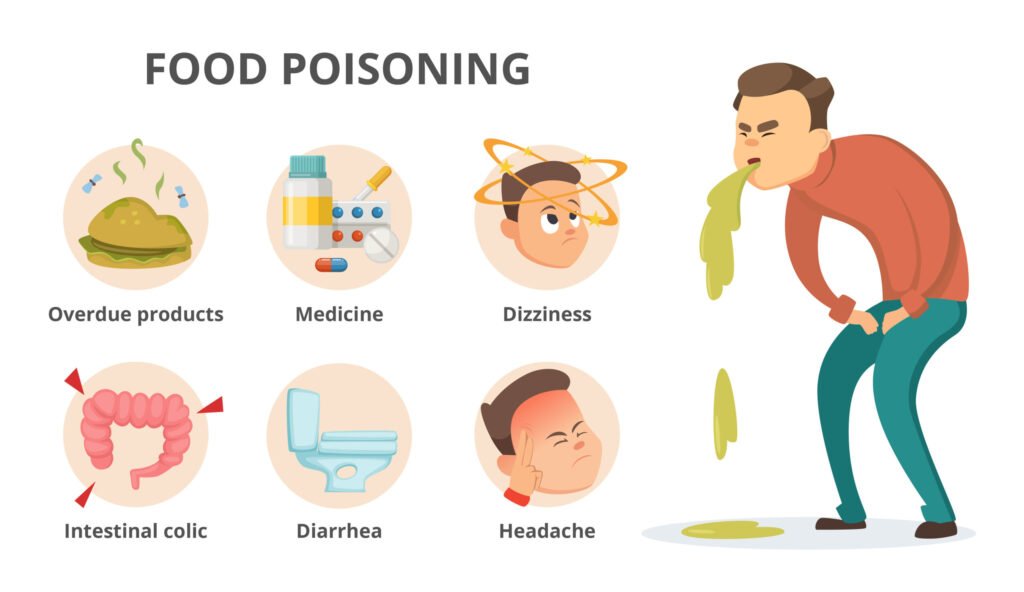
Food Poisoning: What You Need to Know
Have you ever eaten something and, within a few hours or days, suddenly developed stomach pain, vomiting, diarrhoea or fever? You may have experienced food poisoning, also known as a foodborne illness.
Food poisoning occurs when you consume food or drinks contaminated with harmful bacteria, viruses, parasites, toxins or certain chemicals. Contamination can happen at almost any stage—from food production and transportation to cooking, storage or serving.
Most cases of food poisoning are mild and improve with adequate fluids, rest and supportive care. However, severe vomiting, persistent diarrhoea, bloody stools or dehydration can sometimes require medical attention.
Understanding the symptoms of food poisoning, causes of food poisoning, food poisoning treatment and prevention can help you protect yourself and your family.
What Is Food Poisoning?
Food poisoning is an illness caused by eating or drinking contaminated food or beverages. Contamination may occur because of harmful microorganisms, their toxins, or chemical substances.
More than 200 diseases can be associated with contaminated food, ranging from gastrointestinal infections to illnesses affecting other parts of the body.
Food poisoning can affect anyone, but certain people are more vulnerable to serious illness, including young children, older adults, pregnant women and people with weakened immune systems or certain underlying health conditions.
Common Causes of Food Poisoning
Food contamination can occur because of poor hygiene, improper cooking, unsafe water, cross-contamination or incorrect food storage.
Some common causes include:
- Eating undercooked meat, poultry, seafood or eggs
- Consuming contaminated fruits and vegetables
- Drinking unsafe or contaminated water
- Eating food that has been improperly refrigerated
- Leaving cooked food at room temperature for too long
- Poor hand hygiene while preparing food
- Cross-contamination between raw and cooked foods
- Eating contaminated street food or restaurant food
- Consuming unpasteurized milk or certain dairy products
- Improper reheating of leftovers
Common organisms associated with foodborne illness include Salmonella, Campylobacter, E. coli, norovirus and other bacteria, viruses and parasites.
For example, certain strains of E. coli can cause serious foodborne illness and may be associated with undercooked meat, raw milk and contaminated vegetables.
Food Poisoning Symptoms
The symptoms of food poisoning can vary depending on the organism or toxin involved and the amount of contaminated food consumed.
Common food poisoning symptoms include:
- Nausea
- Vomiting
- Loose motions or diarrhoea
- Abdominal pain
- Stomach cramps
- Fever
- Weakness
- Headache
- Loss of appetite
- General feeling of being unwell
Symptoms may begin within a few hours or several days after eating contaminated food. In some infections, symptoms can take considerably longer to appear.
This means the food responsible for your illness is not necessarily the last meal you ate.
How Long Does Food Poisoning Last?
The duration of food poisoning depends on its cause and severity.
Many uncomplicated cases improve within several days, while some may take around a week or longer to completely settle.
If diarrhoea continues for several days, vomiting prevents you from drinking enough fluids, or symptoms become severe, medical evaluation may be necessary.
Is Food Poisoning Dangerous?
Most people recover without serious complications. The biggest immediate concern with vomiting and diarrhoea is often dehydration.
When the body loses large amounts of water and electrolytes through repeated diarrhoea or vomiting, dehydration can develop. WHO identifies dehydration as one of the most serious complications associated with diarrhoeal illness.
Warning signs of dehydration may include:
- Excessive thirst
- Dry mouth
- Passing less urine than usual
- Dark-coloured urine
- Dizziness
- Weakness
- Unusual tiredness
- Confusion or reduced alertness in severe cases
Children and older adults can become dehydrated more quickly and may require closer monitoring.
Food Poisoning Treatment
1. Focus on hydration
The most important part of managing many cases of food poisoning is replacing lost fluids and electrolytes.
Take frequent small sips of water or an appropriate oral rehydration solution (ORS), particularly if vomiting makes it difficult to drink larger amounts at once.
ORS helps replace water and electrolytes lost during diarrhoea.
If dehydration is severe or the person cannot keep fluids down, medical treatment and sometimes intravenous fluids may be required.
2. Eat when you can
You do not necessarily need to completely stop eating.
Once you feel able to eat, choose simple, easily tolerated foods. Avoid very heavy, greasy or spicy foods if they worsen your symptoms.
3. Get adequate rest
Rest can help your body recover while you are experiencing vomiting, diarrhoea, fever and weakness.
4. Medicines should be used carefully
Do not automatically start antibiotics whenever you develop diarrhoea or vomiting.
Food poisoning can have many different causes, and antibiotics are not appropriate for every case. The decision to use antibiotics should be made by a qualified healthcare professional based on the suspected or confirmed cause and the severity of illness. WHO guidance also notes that treatment depends on the source and severity of the illness.
Similarly, anti-diarrhoeal medicines may not be appropriate in certain situations, particularly when there is blood in the stool or significant fever.
For children, medicines should only be given according to appropriate medical advice.
What Should You Eat During Food Poisoning?
When your appetite returns, eat small portions of foods that you can tolerate.
Depending on individual tolerance, options may include:
- Rice
- Khichdi
- Bananas
- Toast
- Plain roti
- Boiled potatoes
- Light soups
- Other simple, easily digestible foods
Continue taking adequate fluids.
It is generally better to avoid foods that aggravate diarrhoea, especially very oily, spicy or heavy meals. Fizzy drinks and some fruit juices may also worsen diarrhoea in some people.
When Should You See a Doctor for Food Poisoning?
Food poisoning should not always be treated as a simple stomach upset.
Seek medical advice if you experience:
- Blood in the stool
- Persistent or severe diarrhoea
- Frequent vomiting
- Inability to keep fluids down
- Signs of dehydration
- High fever
- Severe abdominal pain
- Confusion or unusual drowsiness
- Symptoms that are getting worse rather than better
- Food poisoning symptoms in a very young child, older adult or pregnant woman
- Symptoms in someone with a weakened immune system
CDC guidance specifically highlights bloody diarrhoea, prolonged diarrhoea, frequent vomiting, dehydration and high fever as warning signs requiring medical attention.
Severe abdominal pain, blood in vomit or stool, significant confusion, difficulty breathing or severe dehydration can require urgent medical assessment.
Food Poisoning in Children
Children, especially those under five, can be more vulnerable to serious consequences from foodborne illness.
Parents should pay particular attention to:
- Frequent loose motions
- Repeated vomiting
- Reduced drinking
- Fewer wet diapers or less urination
- Dry mouth
- Excessive sleepiness
- Fever
- Blood in stools
The priority is maintaining hydration. If a child is unable to drink, continues vomiting or develops signs of dehydration, contact a healthcare professional promptly.
Food Poisoning During Pregnancy
Pregnant women should take food safety particularly seriously because some foodborne infections can cause complications during pregnancy.
Avoid potentially risky foods such as raw or undercooked animal products and unpasteurized products, and follow careful food hygiene practices. Pregnant women who develop significant vomiting, diarrhoea, fever or other concerning symptoms should consult their healthcare provider.
How to Prevent Food Poisoning
The good news is that many foodborne illnesses can be prevented by following basic food safety practices.
1. Wash your hands
Wash your hands thoroughly with soap and water before preparing food, after using the toilet and after handling raw meat, poultry or eggs.
2. Separate raw and cooked food
Keep raw meat, poultry, seafood and eggs away from cooked food and ready-to-eat foods.
Use separate cutting boards and utensils when possible to reduce cross-contamination.
3. Cook food thoroughly
Proper cooking can destroy many harmful microorganisms.
Use appropriate cooking temperatures, particularly for poultry, ground meat, eggs and leftovers. CDC recommends cooking poultry to an internal temperature of 165°F (74°C).
4. Store food safely
Perishable food should be refrigerated promptly.
CDC recommends refrigerating perishable foods and leftovers within 2 hours, or within 1 hour when the outdoor temperature is above 90°F (32°C).
5. Use safe water and fresh ingredients
Use clean drinking water and wash fruits and vegetables appropriately.
WHO’s food-safety principles emphasize cleanliness, separating raw and cooked food, thorough cooking, safe temperatures and safe water/raw materials.
Food Poisoning vs Stomach Infection: Are They the Same?
Not necessarily.
Food poisoning specifically refers to illness associated with contaminated food or beverages. A stomach infection, commonly called gastroenteritis, can have several causes and may also spread directly from person to person.
Because symptoms such as diarrhoea, vomiting, abdominal cramps and fever overlap, it may not always be possible to identify the exact cause based on symptoms alone.
Can Food Poisoning Be Prevented Completely?
No method can eliminate every risk, but careful food handling can significantly reduce the chances of foodborne illness.
The most important habits are simple:
Clean → Separate → Cook → Chill → Use Safe Water and Ingredients.
These principles can be followed at home, while travelling and when eating outside.
Final Takeaway
Food poisoning is common, but it should not be ignored when symptoms become severe.
Vomiting, diarrhoea, abdominal cramps, nausea and fever are common food poisoning symptoms, and most mild cases improve with rest and adequate hydration. However, dehydration, bloody stools, persistent vomiting, severe abdominal pain and high fever can indicate the need for medical evaluation.
The best treatment often begins with preventing dehydration, while the best long-term strategy is prevention through proper food hygiene, safe cooking, appropriate food storage and avoiding cross-contamination.
If you or a family member develops severe or persistent food poisoning symptoms, consult a qualified healthcare professional rather than relying solely on home remedies or self-medication.
Frequently Asked Questions About Food Poisoning
What are the first signs of food poisoning?
The early symptoms can include nausea, vomiting, diarrhoea, stomach cramps, abdominal pain, fever and general weakness.
How quickly does food poisoning start?
Symptoms can start within a few hours or several days after consuming contaminated food, depending on the organism or toxin responsible.
What is the best treatment for food poisoning?
For many mild cases, maintaining hydration, resting and eating when tolerated are important. ORS can help replace fluids and electrolytes lost through diarrhoea. Severe cases may require medical treatment.
Can food poisoning cause dehydration?
Yes. Repeated vomiting and diarrhoea can cause substantial fluid and electrolyte loss, making dehydration one of the major complications.
Should I take antibiotics for food poisoning?
Not automatically. Antibiotics are not suitable for every cause of food poisoning and should only be used when medically indicated.
When is food poisoning an emergency?
Seek urgent medical care for severe dehydration, blood in vomit or stool, severe abdominal pain, confusion, difficulty breathing, persistent inability to keep fluids down or other rapidly worsening symptoms.
SEO Keywords Covered
Primary keywords:
food poisoning, food poisoning symptoms, food poisoning treatment, food poisoning causes, food poisoning prevention
Secondary keywords:
symptoms of food poisoning, signs of food poisoning, treatment for food poisoning, causes of food poisoning, food poisoning remedies, food poisoning recovery, food poisoning dehydration, food poisoning in children, food poisoning during pregnancy, severe food poisoning, foodborne illness, foodborne infection, contaminated food, food poisoning from contaminated food
Long-tail SEO keywords:
what is food poisoning, how to treat food poisoning, how long does food poisoning last, what are the symptoms of food poisoning, what to eat during food poisoning, when to see a doctor for food poisoning, how to prevent food poisoning, signs of dehydration from food poisoning, food poisoning treatment at home, food poisoning symptoms and treatment, food poisoning in children symptoms, food poisoning causes and prevention
Sources
- World Health Organization (WHO) – Foodborne Diseases
WHO: Foodborne diseases - Centers for Disease Control and Prevention (CDC) – Food Poisoning: Protect Yourself and Your Family
CDC: Food Poisoning – Protect Yourself and Your Family - NHS – Food Poisoning
NHS: Food poisoning - WHO – Diarrhoeal Disease
WHO: Diarrhoeal disease - WHO – E. coli
WHO: E. coli

