

Dandruff: Causes, Symptoms, Best Treatments & Prevention Tips for a Healthy Scalp
Dandruff is one of the most common scalp conditions affecting millions of people worldwide. Those annoying white flakes on your shoulders, constant itching, scalp irritation, and hair discomfort can impact not only your appearance but also your confidence.
The good news? Dandruff is manageable and treatable with the right scalp care routine, lifestyle modifications, and medically approved treatments.
In this comprehensive guide, we will cover everything you need to know about dandruff — from causes and symptoms to the best dandruff treatments, anti-dandruff shampoos, home remedies, prevention tips, and when to consult a dermatologist.
What is Dandruff?
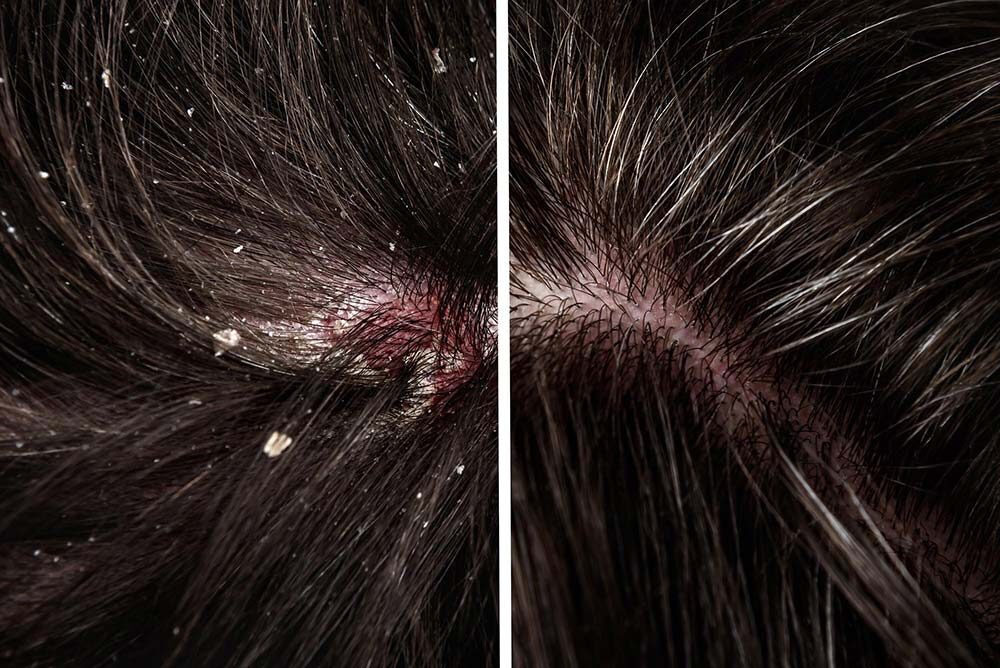
Dandruff is a scalp condition where dead skin cells shed excessively from the scalp. It often appears as white or yellowish flakes accompanied by itching, dryness, irritation, or oily patches.
Although dandruff is not contagious or dangerous, persistent dandruff can become embarrassing and uncomfortable if left untreated.
Common Symptoms of Dandruff
Recognizing dandruff symptoms early can help you start treatment before the condition worsens.
Signs of Dandruff Include:
- White flakes on hair and shoulders
- Itchy scalp
- Dry scalp
- Oily scalp patches
- Redness or irritation
- Scalp sensitivity
- Hair fall associated with scalp inflammation
- Flaky eyebrows or beard dandruff
In severe cases, dandruff may also lead to scalp infections and increased hair shedding.
Major Causes of Dandruff
Many people think dandruff only occurs due to poor hygiene, but that’s a myth. Several medical and lifestyle factors contribute to dandruff formation.
1. Dry Scalp
A dry scalp is one of the leading causes of dandruff. Lack of moisture causes the skin to flake off.
Common Triggers:
- Cold weather
- Excessive shampooing
- Harsh hair products
- Hot water washing
2. Oily Scalp & Seborrheic Dermatitis
Excess oil production on the scalp can trigger seborrheic dermatitis — a common cause of severe dandruff.
Symptoms include:
- Greasy yellow flakes
- Red scalp
- Persistent itching
3. Fungal Growth (Malassezia)
A fungus called Malassezia naturally lives on the scalp. When it grows excessively, it irritates the scalp and increases skin cell turnover, resulting in dandruff flakes.
4. Poor Hair Hygiene
Irregular hair washing can cause oil, dirt, and dead skin buildup, increasing dandruff risk.
5. Stress and Lifestyle Factors
Stress weakens the immune system and can worsen scalp conditions like dandruff and psoriasis.
6. Wrong Hair Products
Chemical-rich shampoos, excessive hair styling products, hair sprays, gels, and coloring agents may irritate the scalp.
7. Medical Conditions
Some medical conditions linked to dandruff include:
- Psoriasis
- Eczema
- Fungal infections
- Parkinson’s disease
- Hormonal imbalance
Is Dandruff Linked to Hair Fall?
Yes, dandruff and hair fall are often connected.
Persistent scalp inflammation and scratching weaken hair roots, causing:
- Increased hair shedding
- Weak hair follicles
- Scalp irritation
- Reduced hair growth quality
Treating dandruff early can help reduce dandruff-related hair loss.
Best Medical Treatments for Dandruff
The best dandruff treatment depends on the severity and underlying cause.
1. Anti-Dandruff Shampoo
Using a medicated anti-dandruff shampoo is the first step toward dandruff control.
Look for Ingredients Like:
- Ketoconazole
- Zinc pyrithione
- Selenium sulfide
- Salicylic acid
- Coal tar
- Tea tree oil
Best Practices:
- Wash scalp 2–3 times weekly
- Leave shampoo on scalp for 5 minutes before rinsing
- Avoid harsh scratching
2. Medicated Scalp Solutions
Dermatologists may prescribe:
- Antifungal lotions
- Steroid scalp solutions
- Medicated scalp serums
These treatments help reduce inflammation and fungal growth.
3. Lifestyle Modifications
Simple changes can significantly improve scalp health.
Recommended Lifestyle Tips:
- Reduce stress
- Eat a balanced diet
- Stay hydrated
- Maintain regular scalp hygiene
- Avoid excessive hair styling
Best Home Remedies for Dandruff
Many people search for natural dandruff remedies that are safe and affordable. While home remedies may help mild dandruff, persistent cases should be medically evaluated.
1. Coconut Oil
Coconut oil moisturizes the scalp and reduces dryness.
How to Use:
- Warm coconut oil slightly
- Massage into scalp
- Leave overnight
- Wash next morning
2. Aloe Vera Gel
Aloe vera has soothing and anti-inflammatory properties.
Benefits:
- Reduces itching
- Hydrates scalp
- Helps irritation
3. Tea Tree Oil
Tea tree oil has antifungal properties useful in dandruff management.
Important:
Always dilute tea tree oil before applying directly to the scalp.
4. Apple Cider Vinegar
Apple cider vinegar may help balance scalp pH and reduce fungal growth.
How to Use:
- Mix with water
- Apply for a few minutes
- Rinse thoroughly
5. Neem
Neem is widely used in Ayurvedic scalp care for its antibacterial and antifungal effects.
Foods That Help Reduce Dandruff
Diet plays an important role in scalp health.
Include These Foods:
- Nuts and seeds
- Green vegetables
- Eggs
- Fish rich in Omega-3
- Fruits rich in Vitamin C
- Yogurt and probiotics
Avoid Excess:
- Junk food
- Excess sugar
- Processed foods
- Excessive oily foods
How to Prevent Dandruff Naturally
Prevention is always better than treatment.
Effective Dandruff Prevention Tips
Maintain Proper Hair Hygiene
Wash your scalp regularly based on your hair type.
Avoid Sharing Hair Accessories
Prevent fungal spread through combs and towels.
Reduce Stress
Practice meditation, yoga, and proper sleep.
Use Mild Hair Products
Choose sulfate-free and dermatologist-approved shampoos.
Keep Scalp Clean
Sweat and pollution can worsen dandruff.
Dandruff vs Dry Scalp: Know the Difference
Many people confuse dandruff with dry scalp.
| Dandruff | Dry Scalp |
|---|---|
| Oily flakes | Small dry flakes |
| Itching common | Mild itching |
| Fungal involvement possible | Mainly lack of moisture |
| May cause redness | Usually no inflammation |
Proper diagnosis helps choose the correct treatment.
When Should You Visit a Dermatologist?
Consult a dermatologist if:
- Dandruff persists for weeks
- Severe itching occurs
- Red patches develop
- Hair fall increases
- Home remedies fail
- Scalp becomes painful
Professional scalp evaluation helps identify underlying medical causes.
Myths About Dandruff
Myth 1: Dandruff Happens Due to Poor Hygiene Only
False. Multiple medical and environmental factors contribute.
Myth 2: Oil Completely Cures Dandruff
Excess oiling may worsen fungal dandruff in some individuals.
Myth 3: Dandruff is Contagious
No, dandruff does not spread from person to person.
Myth 4: Shaving the Head Removes Dandruff Permanently
Dandruff originates from scalp skin, not hair length.
Best Scalp Care Routine for Dandruff
Morning:
- Use mild shampoo if required
- Avoid harsh styling products
Weekly:
- Apply medicated shampoo
- Scalp massage with light oil if dryness exists
Lifestyle:
- Hydration
- Nutritious diet
- Stress management
Consistency is key for long-term dandruff control.
Can Weather Affect Dandruff?
Yes. Seasonal changes significantly affect scalp health.
Winter:
Dry air increases scalp flaking.
Summer:
Sweat and oil buildup can worsen fungal dandruff.
Adjusting your hair care routine according to weather conditions helps maintain a healthy scalp.
Psychological Impact of Dandruff
Many individuals experience:
- Low self-confidence
- Social embarrassment
- Anxiety due to visible flakes
Timely treatment improves both scalp health and self-esteem.
Final Thoughts
Dandruff is a common yet manageable scalp condition. Understanding the root cause is essential for selecting the right treatment approach. Whether caused by dryness, fungal overgrowth, oily scalp, stress, or skin disorders, early intervention can prevent discomfort and hair-related complications.
A healthy scalp leads to healthy hair. Combining proper scalp hygiene, dermatologist-approved treatments, a nutritious diet, and stress management can significantly reduce dandruff and improve overall hair health.
If dandruff persists despite home care and anti-dandruff products, consult a qualified dermatologist for accurate diagnosis and advanced treatment.
Frequently Asked Questions (FAQs)
How can I permanently remove dandruff?
Dandruff can usually be controlled effectively with proper scalp care, medicated shampoos, and lifestyle modifications. Some chronic cases may require long-term management.
Which shampoo is best for dandruff?
Shampoos containing ketoconazole, zinc pyrithione, selenium sulfide, or salicylic acid are commonly recommended.
Does dandruff cause hair loss?
Severe dandruff and scalp inflammation can contribute to temporary hair fall.
Can dandruff spread?
No, dandruff is not contagious.
Is oiling good for dandruff?
Light oiling may help dry scalp dandruff, but excessive oil can worsen fungal dandruff.
High Search Volume SEO Keywords Used
- Dandruff treatment
- Best dandruff shampoo
- Causes of dandruff
- How to remove dandruff
- Dandruff home remedies
- Itchy scalp treatment
- Dry scalp vs dandruff
- Hair fall due to dandruff
- Anti-dandruff shampoo
- Scalp care tips
- Seborrheic dermatitis treatment
- Natural remedies for dandruff
- White flakes on scalp
- Fungal dandruff treatment
- Healthy scalp routine
References & Resources
- American Academy of Dermatology – Dandruff Overview
https://www.aad.org - Mayo Clinic – Dandruff Causes & Treatment
https://www.mayoclinic.org - National Institutes of Health (NIH)
https://www.nih.gov - Cleveland Clinic – Seborrheic Dermatitis
https://my.clevelandclinic.org - World Health Organization (WHO)
https://www.who.int

