

Cancer: Everything You Need to Know About Symptoms, Causes, Types, Prevention & Treatment
Cancer is one of the leading causes of death worldwide, but advances in medical science have significantly improved survival rates through early detection, timely diagnosis, personalized treatment, and healthy lifestyle choices. Although hearing the word “cancer” can be frightening, understanding the disease empowers individuals to recognize warning signs early and seek appropriate medical care.
This comprehensive guide explains everything you need to know about cancer—from its causes and symptoms to diagnosis, treatment options, prevention, and frequently asked questions.
What is Cancer?
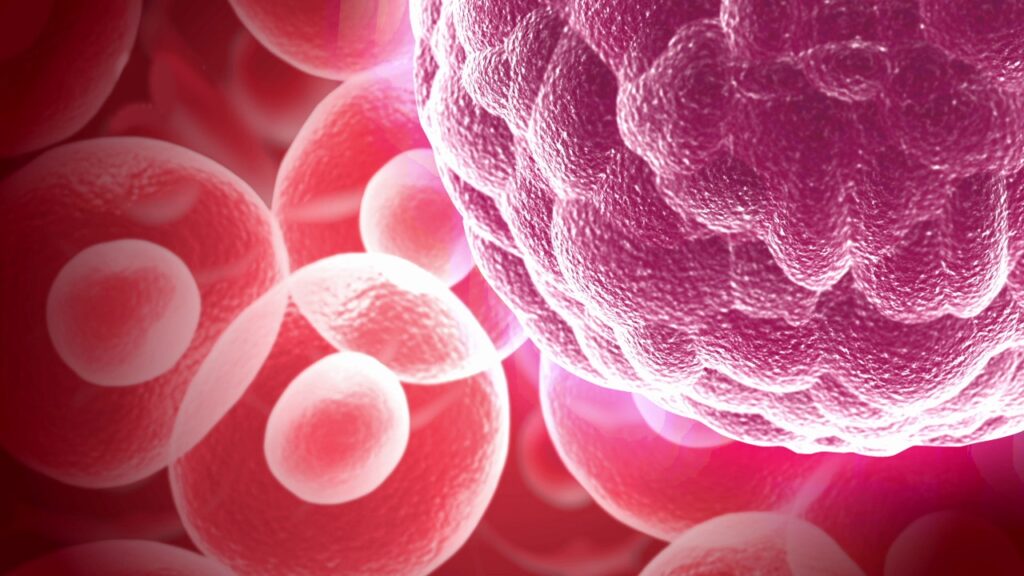
Cancer is a disease in which some cells of the body begin to grow uncontrollably and spread into surrounding tissues or other parts of the body. Normally, healthy cells grow, divide, and die in an orderly manner. Cancer develops when this natural process is disrupted.
Cancer can occur in almost any organ of the body, including the breast, lungs, colon, prostate, blood, liver, brain, stomach, skin, pancreas, and many more.
When cancer cells spread from their original location to another part of the body, the process is known as metastasis.
How Common is Cancer?
Cancer affects millions of people every year across the world. According to global health statistics, one in several individuals may develop cancer during their lifetime. Fortunately, many cancers are now highly treatable when detected at an early stage.
Types of Cancer
Cancer is classified based on where it begins.
Carcinoma
The most common type affecting the skin and internal organs.
Examples:
- Breast Cancer
- Lung Cancer
- Colon Cancer
- Prostate Cancer
- Stomach Cancer
Sarcoma
Develops in connective tissues including:
- Bone
- Muscle
- Fat
- Blood vessels
Leukemia
A cancer of blood-forming tissues affecting white blood cells.
Lymphoma
Starts in the lymphatic system.
Multiple Myeloma
A cancer affecting plasma cells in the bone marrow.
Brain and Spinal Cord Tumors
Develop in the central nervous system.
What Causes Cancer?
Cancer develops due to genetic mutations that affect normal cell growth. Multiple factors may increase the risk.
Lifestyle Factors
- Tobacco smoking
- Chewing tobacco
- Excessive alcohol consumption
- Obesity
- Poor diet
- Physical inactivity
Environmental Factors
- Air pollution
- Harmful chemicals
- Radiation exposure
- UV rays from sunlight
Medical Factors
- Family history of cancer
- Genetic mutations
- Chronic infections
- Hormonal imbalance
- Weakened immune system
Viral Infections Linked to Cancer
- Human Papillomavirus (HPV)
- Hepatitis B
- Hepatitis C
- Epstein-Barr Virus
Common Symptoms of Cancer
Symptoms vary depending on the type and location of cancer.
Common warning signs include:
- Unexplained weight loss
- Persistent fatigue
- Lump or swelling anywhere in the body
- Long-lasting cough
- Difficulty swallowing
- Blood in urine or stool
- Persistent pain
- Changes in bowel habits
- Changes in bladder habits
- Non-healing sores
- Unusual bleeding
- Persistent fever
- Night sweats
- Skin changes
- New mole or changes in existing mole
Many of these symptoms can also occur due to non-cancerous conditions. Persistent symptoms should always be evaluated by a doctor.
Early Warning Signs You Should Never Ignore
Early detection saves lives.
Seek medical advice if you notice:
- Breast lump
- Persistent hoarseness
- Chronic cough lasting more than three weeks
- Blood while coughing
- Blood in stool
- Blood in urine
- Difficulty swallowing
- Persistent abdominal pain
- Unexplained weight loss
- Unusual vaginal bleeding
- Persistent mouth ulcer
- Enlarged lymph nodes
- Continuous bloating
Who is at Higher Risk?
Risk factors include:
- Age above 50 years
- Smoking
- Tobacco chewing
- Family history
- Obesity
- Diabetes
- Chronic infections
- Excess alcohol
- Sedentary lifestyle
- Long-term exposure to chemicals
- Radiation exposure
How is Cancer Diagnosed?
Diagnosis usually involves several tests.
Medical History
The doctor reviews symptoms, lifestyle, and family history.
Physical Examination
A complete clinical examination is performed.
Blood Tests
Blood investigations may identify abnormalities and tumor markers in selected cases.
Imaging Tests
- X-ray
- Ultrasound
- CT Scan
- MRI
- PET-CT Scan
Endoscopy
Used to examine internal organs such as the stomach, colon, or lungs.
Biopsy
A biopsy is the gold standard for confirming cancer. A small tissue sample is examined under a microscope to identify cancer cells.
Cancer Staging
Cancer staging determines how far the disease has spread.
Stage 0:
Cancer confined to its original location.
Stage I:
Small localized tumor.
Stage II:
Larger tumor with limited spread.
Stage III:
Regional spread to nearby lymph nodes.
Stage IV:
Cancer has spread to distant organs (metastatic cancer).
Correct staging helps doctors choose the most effective treatment.
Treatment Options for Cancer
Treatment depends on:
- Type of cancer
- Stage
- Age
- Overall health
- Patient preferences
Surgery
Removes the cancerous tumor whenever possible.
Chemotherapy
Uses medicines to destroy rapidly growing cancer cells.
Radiation Therapy
High-energy radiation destroys cancer cells while preserving nearby healthy tissue as much as possible.
Immunotherapy
Stimulates the body’s immune system to recognize and attack cancer cells.
Targeted Therapy
Targets specific genetic or molecular changes in cancer cells.
Hormone Therapy
Used for hormone-sensitive cancers like certain breast and prostate cancers.
Stem Cell Transplant
Often used in blood cancers such as leukemia and lymphoma.
Precision Medicine
Advanced genetic testing helps personalize treatment based on the tumor’s molecular profile.
Can Cancer Be Prevented?
Not every cancer is preventable, but many cases can be significantly reduced through healthy lifestyle choices.
Prevention Tips
- Quit tobacco completely.
- Avoid passive smoking.
- Maintain a healthy weight.
- Exercise at least 150 minutes every week.
- Eat plenty of fruits and vegetables.
- Reduce processed foods.
- Limit red meat.
- Protect your skin from excessive sunlight.
- Get vaccinated against HPV and Hepatitis B where appropriate.
- Avoid excessive alcohol.
- Practice safe sex.
- Undergo regular health checkups and recommended cancer screening.
Cancer Screening Tests
Early screening helps detect cancer before symptoms develop.
Common screening tests include:
- Mammography for breast cancer
- Pap smear and HPV testing for cervical cancer
- Colonoscopy for colorectal cancer
- Low-dose CT scan for selected high-risk smokers (lung cancer)
- PSA testing for selected individuals after discussion with a healthcare provider (prostate cancer)
- Oral examination for individuals at high risk of oral cancer
Living with Cancer
Modern cancer care focuses not only on treatment but also on improving quality of life.
Patients may benefit from:
- Nutritional counseling
- Physiotherapy
- Pain management
- Psychological support
- Rehabilitation
- Palliative care
- Support groups
Maintaining emotional well-being is just as important as physical treatment.
Myths and Facts About Cancer
Myth:
Cancer is always fatal.
Fact:
Many cancers are curable when detected early and treated appropriately.
Myth:
Cancer spreads after biopsy.
Fact:
A biopsy is a safe and essential diagnostic procedure and does not cause cancer to spread.
Myth:
Only smokers get cancer.
Fact:
Although smoking greatly increases the risk, cancer can also occur in non-smokers due to genetic, environmental, infectious, or lifestyle factors.
Myth:
Cancer is contagious.
Fact:
Cancer itself is not contagious, though certain infections associated with cancer can spread between people.
Frequently Asked Questions (FAQs)
Can cancer be cured?
Many cancers can be cured, especially when diagnosed early and treated promptly.
What is the first symptom of cancer?
There is no single first symptom. Persistent lumps, unexplained weight loss, unusual bleeding, or long-lasting cough should not be ignored.
Does stress cause cancer?
Current scientific evidence does not show that stress directly causes cancer, though chronic stress may indirectly affect overall health and lifestyle.
Is cancer hereditary?
Some cancers have inherited genetic components, but most are not directly inherited.
Can young people get cancer?
Yes. While cancer is more common with increasing age, it can occur at any stage of life.
Which cancers are most preventable?
Many cases of lung, cervical, oral, liver, colorectal, and skin cancers can be prevented by reducing known risk factors and following recommended screening and vaccination.
When Should You See a Doctor?
Consult a healthcare professional if you experience:
- Persistent unexplained symptoms lasting more than two weeks
- Any new lump
- Blood in urine or stool
- Persistent cough
- Unexplained weight loss
- Difficulty swallowing
- Non-healing ulcers
- Persistent pain
- Unusual bleeding
Early medical evaluation can make a significant difference in treatment outcomes.
Conclusion
Cancer is a complex disease, but it is no longer a diagnosis without hope. Advances in screening, imaging, surgery, chemotherapy, immunotherapy, targeted therapy, and precision medicine have transformed cancer care. The most effective strategy remains prevention, early detection, and timely treatment. By adopting a healthy lifestyle, attending regular screenings, and recognizing warning signs early, individuals can greatly improve their chances of successful treatment and long-term survival.
If you notice any persistent or unusual symptoms, do not ignore them. Consult a qualified healthcare professional for proper evaluation and guidance.
References
- World Health Organization (WHO): https://www.who.int/news-room/fact-sheets/detail/cancer
- National Cancer Institute (NCI): https://www.cancer.gov
- American Cancer Society: https://www.cancer.org
- International Agency for Research on Cancer (IARC): https://www.iarc.who.int
- National Comprehensive Cancer Network (NCCN): https://www.nccn.org
- Centers for Disease Control and Prevention (CDC): https://www.cdc.gov/cancer
- European Society for Medical Oncology (ESMO): https://www.esmo.org
- American Society of Clinical Oncology (ASCO): https://www.cancer.net

