

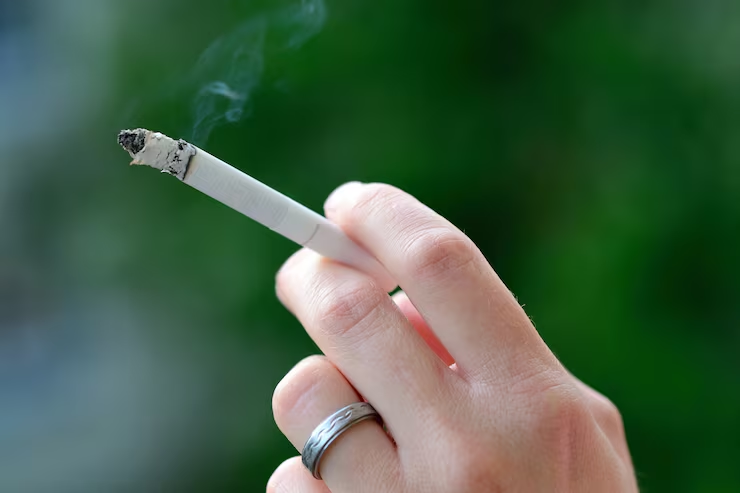
Tobacco Smoking Harmful Chemicals: What Really Enters Your Body When You Smoke?
Millions of people worldwide smoke tobacco products every day, often without fully understanding what they are inhaling. While nicotine is widely known as the addictive substance in cigarettes, it is only one part of a much larger and more dangerous chemical cocktail.
Tobacco smoke contains more than 7,000 chemicals, including hundreds of toxic substances and at least 69 known cancer-causing chemicals (carcinogens). These harmful chemicals damage nearly every organ in the body and significantly increase the risk of cancer, heart disease, stroke, chronic lung diseases, and premature death.
In this article, we explore the harmful chemicals found in tobacco smoke, their health effects, and why quitting smoking remains one of the best decisions for long-term health.
What Chemicals Are Found in Tobacco Smoke?
When tobacco burns, it produces a complex mixture of gases, particles, and toxic compounds. Many chemicals occur naturally in tobacco leaves, while others are formed during processing and combustion.
Some of the most harmful chemicals in cigarette smoke include:
1. Nicotine
Nicotine is the highly addictive chemical responsible for tobacco dependence. Although nicotine itself is not the primary cause of smoking-related cancers, it keeps users addicted, making continued exposure to toxic smoke more likely.
2. Tar
Tar is a sticky residue produced when tobacco burns. It coats the lungs, damages lung tissue, impairs breathing, and contains numerous carcinogens linked to lung cancer.
3. Carbon Monoxide
Carbon monoxide is a poisonous gas that reduces the blood’s oxygen-carrying capacity. It forces the heart to work harder and contributes to cardiovascular diseases.
4. Formaldehyde
Commonly used in embalming fluids, formaldehyde is a known carcinogen that irritates the respiratory tract and increases cancer risk.
5. Benzene
Benzene, also found in gasoline, is strongly linked to leukemia and other blood cancers.
6. Arsenic
Arsenic is a toxic chemical used in pesticides and is associated with various cancers, including lung and skin cancer.
7. Cadmium
Cadmium is a toxic heavy metal found in batteries. Long-term exposure damages the kidneys, lungs, and bones.
8. Hydrogen Cyanide
Hydrogen cyanide interferes with the body’s ability to use oxygen and damages the respiratory system.
9. Ammonia
Often found in household cleaners, ammonia is added during cigarette manufacturing to increase nicotine absorption.
10. Polonium-210
Polonium-210 is a radioactive substance found in tobacco smoke that contributes to lung cancer risk.
Why Are Cigarette Chemicals So Dangerous?
Every puff of cigarette smoke introduces toxic substances into the lungs. These chemicals quickly enter the bloodstream and travel throughout the body.
The damage caused by tobacco smoke includes:
- DNA damage leading to cancer
- Chronic inflammation
- Reduced oxygen supply
- Damage to blood vessels
- Weakened immune function
- Premature aging of tissues
- Impaired lung function
Research shows that tobacco smoke damages nearly every organ in the body and contributes to multiple life-threatening diseases.
Tobacco Smoking and Cancer
One of the most serious consequences of tobacco use is cancer.
Cigarette smoke contains at least 69 chemicals known to cause cancer. These carcinogens damage DNA and promote abnormal cell growth.
Smoking-Related Cancers Include:
- Lung cancer
- Mouth cancer
- Throat cancer
- Laryngeal cancer
- Esophageal cancer
- Stomach cancer
- Pancreatic cancer
- Liver cancer
- Kidney cancer
- Bladder cancer
- Cervical cancer
- Colorectal cancer
- Leukemia
Smoking remains the leading preventable cause of cancer worldwide.
How Tobacco Smoke Damages the Lungs
The lungs are the first organs exposed to tobacco smoke.
Over time, smoking causes:
Chronic Obstructive Pulmonary Disease (COPD)
COPD includes chronic bronchitis and emphysema. It causes breathlessness, chronic cough, and irreversible lung damage.
Reduced Lung Capacity
Smoking narrows airways and destroys air sacs, making breathing increasingly difficult.
Increased Risk of Respiratory Infections
Smokers are more susceptible to pneumonia, bronchitis, and other lung infections.
Smoking and Heart Disease
Many people associate smoking with lung cancer, but cardiovascular disease is another major concern.
Smoking chemicals:
- Increase blood pressure
- Damage blood vessel walls
- Promote blood clot formation
- Reduce oxygen delivery
- Increase heart attack risk
- Increase stroke risk
Even a few cigarettes per day can significantly increase cardiovascular risks.
The Danger of Secondhand Smoke
Secondhand smoke is the combination of smoke exhaled by smokers and smoke from burning tobacco products.
There is no safe level of exposure to secondhand smoke. Even brief exposure can cause harm.
Secondhand smoke contains:
- More than 7,000 chemicals
- Hundreds of toxic substances
- Around 70 cancer-causing chemicals
Non-smokers exposed to secondhand smoke face increased risks of:
- Lung cancer
- Heart disease
- Stroke
- Asthma attacks
- Respiratory illnesses
Children and infants are particularly vulnerable.
Harmful Chemicals in Smokeless Tobacco
Many people believe chewing tobacco or smokeless tobacco is safer than smoking. This is a dangerous misconception.
Smokeless tobacco contains:
- Tobacco-specific nitrosamines (TSNAs)
- Arsenic
- Cadmium
- Lead
- Nickel
- Formaldehyde
These chemicals increase the risk of oral cancer, throat cancer, pancreatic cancer, and gum disease.
Why Do Cigarettes Contain So Many Chemicals?
The large number of chemicals in cigarette smoke comes from several sources:
Naturally Occurring Chemicals
Tobacco plants absorb substances from soil, fertilizers, and pesticides.
Manufacturing Process
Additional chemicals may be introduced during curing and processing to enhance flavor, shelf life, or nicotine delivery.
Burning Tobacco
The combustion process creates thousands of new toxic chemicals not originally present in the tobacco leaf.
Benefits of Quitting Smoking
The body begins healing almost immediately after smoking cessation.
Within 20 Minutes
Heart rate and blood pressure begin to normalize.
Within 24 Hours
Carbon monoxide levels drop significantly.
Within Weeks
Circulation and lung function improve.
Within Months
Coughing and shortness of breath decrease.
Within Years
Risk of heart disease, stroke, and several cancers declines substantially.
Tips to Quit Smoking Successfully
Set a Quit Date
Choose a realistic date and commit to it.
Identify Triggers
Recognize situations that increase smoking urges.
Seek Professional Help
Doctors can recommend counseling and smoking cessation therapies.
Use Nicotine Replacement Therapy
Nicotine gums, patches, and lozenges may help reduce withdrawal symptoms.
Stay Physically Active
Exercise can reduce cravings and improve mood.
Build a Support Network
Family, friends, and support groups can increase success rates.
Final Thoughts
Tobacco smoking is far more than a nicotine addiction. Every cigarette contains thousands of chemicals that can damage the lungs, heart, blood vessels, and virtually every organ in the body. From cancer-causing substances like benzene, formaldehyde, arsenic, and cadmium to radioactive compounds such as polonium-210, tobacco smoke is a toxic mixture with devastating health consequences.
The good news is that quitting smoking at any age can significantly improve health and reduce the risk of life-threatening diseases. Understanding the harmful chemicals in tobacco smoke is the first step toward making informed choices and protecting yourself and your loved ones from the dangers of tobacco.
References & Resources
- National Cancer Institute (NCI): https://www.cancer.gov/about-cancer/causes-prevention/risk/tobacco/cessation-fact-sheet
- Centers for Disease Control and Prevention (CDC) – Tobacco & Cancer: https://www.cdc.gov/cancer/risk-factors/tobacco.html
- CDC – Secondhand Smoke: https://www.cdc.gov/tobacco/secondhand-smoke
- CDC – Cigarettes and Cancer: https://www.cdc.gov/tobacco/about/cigarettes-and-cancer.html
- U.S. Food & Drug Administration (FDA) – Chemicals in Tobacco Products: https://www.fda.gov/tobacco-products/health-effects-tobacco-use/chemicals-tobacco-products-and-your-health
- FDA – Chemicals in Every Puff of Cigarette Smoke: https://www.fda.gov/tobacco-products/products-ingredients-components/chemicals-every-puff-cigarette-smoke
- FDA – Harmful and Potentially Harmful Constituents in Tobacco Products: https://www.fda.gov/tobacco-products/rules-regulations-and-guidance/harmful-and-potentially-harmful-constituents-tobacco-products-and-tobacco-smoke-established-list
- Health Canada – Harmful Chemicals in Tobacco Smoke: https://www.canada.ca/en/health-canada/services/smoking-tobacco/health-effects-smoking-second-hand-smoke/harmful-chemicals.html

