Why Is Hand Hygiene Important? The Simple Habit That Protects Your Health Every Day
In today’s fast-paced world, we often focus on eating healthy, exercising regularly, and getting enough sleep to stay fit. However, one of the simplest and most effective ways to protect ourselves from illness is often overlooked—hand hygiene.
Whether at home, work, school, hospitals, or public places, our hands come into contact with countless surfaces and objects every day. These surfaces may harbor harmful germs, bacteria, viruses, and other microorganisms that can easily spread infections. Practicing proper hand hygiene helps prevent the transmission of diseases and plays a vital role in maintaining overall health and well-being.
In this blog, we’ll explore why hand hygiene is important, its benefits, the correct way to wash your hands, and how this simple habit can make a significant difference in your daily life.
What Is Hand Hygiene?
Hand hygiene refers to cleaning your hands effectively to remove dirt, germs, bacteria, viruses, and other harmful microorganisms. It includes:
- Washing hands with soap and water
- Using alcohol-based hand sanitizers
- Maintaining clean and healthy nails
- Avoiding unnecessary touching of the face
Proper hand hygiene is considered one of the most effective methods of infection prevention and control.
Why Is Hand Hygiene Important?
1. Prevents the Spread of Infectious Diseases
Our hands are one of the primary ways germs spread from person to person. Every time we touch contaminated surfaces and then touch our eyes, nose, or mouth, germs can enter our bodies.
Good hand hygiene helps prevent:
- Common cold
- Flu (Influenza)
- COVID-19
- Stomach infections
- Food poisoning
- Diarrheal diseases
- Respiratory infections
Regular handwashing significantly reduces the risk of contracting and spreading these illnesses.
2. Protects Vulnerable Individuals
Children, elderly adults, pregnant women, and people with weakened immune systems are more susceptible to infections.
By maintaining proper hand hygiene, you not only protect yourself but also help safeguard those around you who may be at greater risk of serious illness.
3. Reduces Healthcare-Associated Infections
In hospitals and healthcare settings, hand hygiene is one of the most critical measures for preventing healthcare-associated infections (HAIs).
Doctors, nurses, caregivers, and healthcare workers are encouraged to follow strict hand hygiene protocols to minimize the transmission of harmful pathogens between patients.
4. Prevents Foodborne Illnesses
Many foodborne diseases occur because of poor hand hygiene during food preparation.
Washing hands before handling food can prevent contamination from bacteria such as:
- Salmonella
- E. coli
- Norovirus
This simple step helps ensure food safety and protects your family from gastrointestinal illnesses.
5. Supports Community Health
Good hand hygiene practices contribute to healthier schools, workplaces, healthcare facilities, and communities.
When more people regularly clean their hands, the overall transmission of infectious diseases decreases, creating a safer environment for everyone.
How Germs Spread Through Hands
Germs can spread through:
- Touching contaminated surfaces
- Shaking hands with infected individuals
- Using shared objects
- Preparing food with unclean hands
- Coughing or sneezing into hands
- Touching the face frequently
Once germs are on your hands, they can easily enter your body through the eyes, nose, and mouth.
This is why hand hygiene is considered a frontline defense against infections.
Benefits of Proper Hand Hygiene
Reduced Risk of Illness
Regular handwashing lowers the chances of getting sick from common infections.
Fewer Doctor Visits
By preventing illness, hand hygiene can reduce medical expenses and healthcare visits.
Better Workplace Productivity
Healthy employees take fewer sick days, resulting in improved productivity and efficiency.
Improved School Attendance
Children who practice good hand hygiene are less likely to miss school due to illness.
Enhanced Public Health
Widespread hand hygiene practices reduce disease outbreaks and protect communities.
When Should You Wash Your Hands?
Handwashing is especially important:
Before:
- Eating meals
- Preparing food
- Feeding a child
- Treating wounds
- Wearing contact lenses
After:
- Using the toilet
- Changing diapers
- Sneezing, coughing, or blowing your nose
- Touching animals
- Handling garbage
- Returning home from public places
- Using public transportation
- Touching frequently used surfaces
Following these practices significantly reduces the spread of germs.
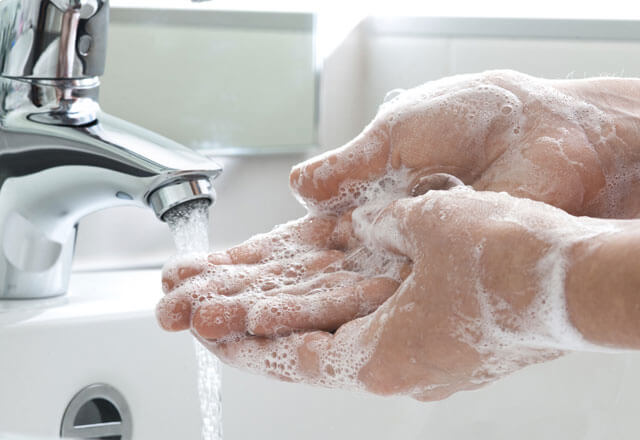
What Is the Correct Way to Wash Your Hands?
Many people wash their hands quickly without removing germs effectively.
Follow these simple steps:
Step 1: Wet Your Hands
Use clean, running water.
Step 2: Apply Soap
Cover all surfaces of your hands with soap.
Step 3: Scrub Thoroughly
Rub your hands together for at least 20 seconds.
Don’t forget:
- Palms
- Back of hands
- Between fingers
- Fingertips
- Thumbs
- Under nails
Step 4: Rinse Well
Use clean running water to rinse away soap and germs.
Step 5: Dry Completely
Use a clean towel or air dryer.
Proper drying is important because germs spread more easily on wet hands.
Hand Sanitizer vs Handwashing
Many people wonder whether hand sanitizer can replace handwashing.
Handwashing with Soap and Water
Best for:
- Dirty or greasy hands
- After using the restroom
- Before eating
- Food preparation
Alcohol-Based Hand Sanitizer
Useful when:
- Soap and water are unavailable
- Traveling
- Shopping
- Public settings
Choose a sanitizer containing at least 60% alcohol for effective germ protection.
While sanitizers are convenient, handwashing remains the gold standard for hand hygiene.
Hand Hygiene for Children
Teaching children proper hand hygiene habits early can provide lifelong benefits.
Make handwashing fun by:
- Singing a 20-second song
- Using colorful soaps
- Creating handwashing routines
- Leading by example
Parents and teachers play a crucial role in encouraging healthy hygiene habits.
Hand Hygiene in Healthcare Settings
Healthcare workers interact with multiple patients daily, increasing the risk of infection transmission.
Effective hand hygiene helps:
- Protect patients
- Protect healthcare professionals
- Reduce hospital-acquired infections
- Improve patient safety
This is why hospitals worldwide prioritize strict hand hygiene guidelines.
Common Mistakes People Make
Even people who wash their hands regularly may make mistakes such as:
- Washing for less than 20 seconds
- Missing fingertips and thumbs
- Not drying hands properly
- Using insufficient soap
- Touching contaminated surfaces immediately after washing
Being mindful of these mistakes can improve hand hygiene effectiveness.
Hand Hygiene and COVID-19
The COVID-19 pandemic highlighted the importance of hand hygiene on a global scale.
Health experts consistently recommended:
- Frequent handwashing
- Use of alcohol-based sanitizers
- Avoiding face touching
- Respiratory hygiene
These measures helped reduce viral transmission and remain valuable practices today.
Building Better Hand Hygiene Habits
To make hand hygiene a daily routine:
- Keep soap accessible at home and work
- Carry a hand sanitizer
- Set reminders for children
- Wash hands immediately after returning home
- Encourage family participation
Consistency is the key to maintaining good hygiene and preventing illness.
Frequently Asked Questions (FAQs)
How long should I wash my hands?
At least 20 seconds using soap and water.
Is hand sanitizer as effective as soap?
Hand sanitizer is effective when soap and water are unavailable, but handwashing is generally more effective.
Can handwashing prevent all diseases?
No, but it significantly reduces the risk of many infectious diseases.
How often should I clean my hands?
Whenever your hands may have come into contact with germs, especially before eating and after using the restroom.
Conclusion
Hand hygiene may seem like a small daily habit, but its impact on health is enormous. Proper handwashing and hand sanitization help prevent infections, reduce disease transmission, protect vulnerable individuals, and improve public health.
Whether you’re at home, work, school, or a healthcare facility, maintaining good hand hygiene is one of the simplest and most effective ways to safeguard yourself and those around you.
Remember, clean hands save lives. A few seconds spent washing your hands today can prevent illness tomorrow.
Resources & References
- https://www.who.int/health-topics/hand-hygiene
- https://www.who.int/campaigns/world-hand-hygiene-day
- https://www.cdc.gov/handwashing
- https://www.cdc.gov/hygiene
- https://www.unicef.org/hand-hygiene
- https://www.nhs.uk/live-well/best-way-to-wash-your-hands
- https://www.mayoclinic.org/healthy-lifestyle/adult-health/in-depth/hand-washing
- https://www.health.harvard.edu/blog/wash-your-hands-2020043019764

