

CHD in Kids (Congenital Heart Disease): Symptoms, Causes, Diagnosis, Treatment & Prevention
Congenital Heart Disease (CHD) is one of the most common birth defects affecting children worldwide. Hearing that your child has a heart condition can be overwhelming, but the good news is that advances in pediatric cardiology, cardiac surgery, and early diagnosis have dramatically improved outcomes. Today, many children with CHD grow up to lead healthy, active, and fulfilling lives.
This comprehensive guide explains everything parents need to know about CHD in kids—from its causes and symptoms to diagnosis, treatment, recovery, and prevention.
What is CHD (Congenital Heart Disease)?
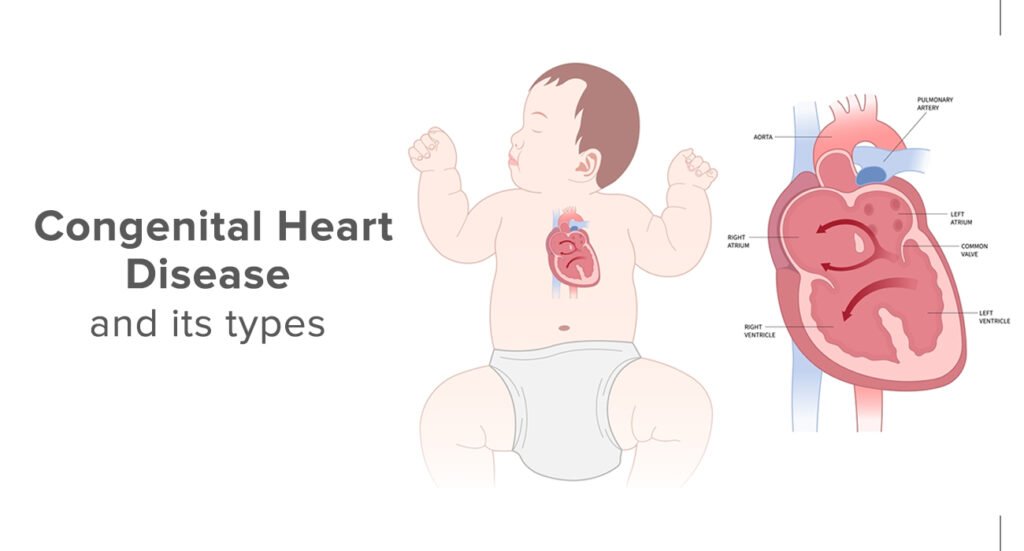
Congenital Heart Disease (CHD), also known as a congenital heart defect, refers to structural abnormalities of the heart that develop while a baby is growing in the womb. These defects are present at birth and may involve:
- Heart chambers
- Heart valves
- Blood vessels connected to the heart
- Heart walls (septum)
These abnormalities affect the normal flow of blood through the heart and body. Some defects are mild and require only regular monitoring, while others are complex and need surgery soon after birth.
How Common is CHD in Children?
Congenital heart disease is the most common birth defect worldwide, affecting approximately 1 in every 100 newborn babies. The severity varies greatly—from small defects that close naturally to critical heart conditions requiring urgent medical intervention.
Types of Congenital Heart Disease
CHD can be broadly classified into two categories.
1. Cyanotic Congenital Heart Disease
These defects reduce oxygen levels in the blood, causing a bluish discoloration of the lips, skin, or nails.
Common examples include:
- Tetralogy of Fallot (TOF)
- Transposition of the Great Arteries (TGA)
- Tricuspid Atresia
- Pulmonary Atresia
2. Acyanotic Congenital Heart Disease
These defects usually allow oxygen-rich blood to mix with oxygen-poor blood but do not initially cause bluish skin.
Examples include:
- Ventricular Septal Defect (VSD)
- Atrial Septal Defect (ASD)
- Patent Ductus Arteriosus (PDA)
- Coarctation of the Aorta
- Aortic Stenosis
Causes of CHD in Kids
In many cases, doctors cannot identify the exact cause of congenital heart disease. However, several factors may increase the risk.
Genetic Factors
- Down syndrome
- Turner syndrome
- DiGeorge syndrome
- Family history of congenital heart disease
Maternal Risk Factors
- Diabetes during pregnancy
- Rubella infection
- Certain medications during pregnancy
- Smoking
- Alcohol consumption
- Obesity
- Poor nutrition
Most parents should remember that CHD is not caused by anything they intentionally did or did not do during pregnancy.
Symptoms of CHD in Kids
Symptoms depend on the severity and type of heart defect.
Symptoms in Newborns
- Blue lips or skin (cyanosis)
- Rapid breathing
- Difficulty feeding
- Sweating during feeding
- Poor weight gain
- Excessive sleepiness
- Weak cry
Symptoms in Older Children
- Easily tired during play
- Shortness of breath
- Frequent chest infections
- Poor growth
- Dizziness or fainting
- Heart murmur
- Swelling in legs or abdomen (in severe cases)
Some mild defects may not produce symptoms until later in childhood and are discovered during routine medical examinations.
When Should Parents See a Doctor?
Seek immediate medical attention if your child has:
- Blue lips or fingernails
- Difficulty breathing
- Poor feeding
- Persistent sweating during feeds
- Failure to gain weight
- Repeated chest infections
- Episodes of fainting
- Unusual fatigue during physical activity
Early diagnosis significantly improves treatment outcomes.
How is CHD Diagnosed?
Doctors use several investigations to confirm congenital heart disease.
Physical Examination
The pediatrician checks for:
- Heart murmur
- Oxygen levels
- Growth pattern
- Pulse abnormalities
Diagnostic Tests
Echocardiography (2D Echo)
This is the gold-standard test for diagnosing congenital heart disease because it clearly shows the heart’s structure and blood flow.
Electrocardiogram (ECG)
Measures the electrical activity of the heart.
Chest X-ray
Evaluates heart size and lung condition.
Pulse Oximetry
Measures oxygen saturation in the blood and is commonly used as a newborn screening test.
Cardiac MRI or CT Scan
Provides detailed images in selected cases.
Cardiac Catheterization
Used for diagnosis and, in some children, treatment.
Treatment of CHD in Kids
Treatment depends on:
- Type of defect
- Severity
- Child’s age
- Overall health
1. Observation
Small defects like minor ASDs or VSDs may close naturally as the child grows and only require regular follow-up.
2. Medications
Medicines may help by:
- Improving heart function
- Reducing fluid overload
- Controlling blood pressure
- Managing abnormal heart rhythms
Medication controls symptoms but usually does not correct the structural defect.
3. Cardiac Catheterization
Some defects can be treated without open-heart surgery using minimally invasive catheter-based procedures.
Examples include:
- ASD device closure
- PDA closure
- Balloon valvuloplasty
Benefits include:
- Smaller incision
- Faster recovery
- Less pain
- Shorter hospital stay
4. Open Heart Surgery
Complex congenital heart defects require surgical correction.
Examples include:
- Tetralogy of Fallot repair
- VSD closure
- Valve repair
- Arterial switch operation
Modern pediatric cardiac surgery has excellent success rates in experienced centers.
Can CHD Be Detected Before Birth?
Yes.
Many serious congenital heart defects can now be diagnosed during pregnancy through:
- Anomaly scan (18–22 weeks)
- Fetal echocardiography in high-risk pregnancies
Prenatal diagnosis allows doctors and parents to plan delivery and immediate newborn care at specialized centers.
Life After CHD Treatment
Most children recover well after treatment.
Many can:
- Attend school normally
- Participate in sports (with medical advice)
- Achieve normal growth and development
- Live productive adult lives
However, lifelong follow-up with a pediatric cardiologist—or later, an adult congenital heart specialist—is often recommended, as repaired defects may still require monitoring.
Tips for Parents Caring for a Child with CHD
- Attend all scheduled follow-up appointments.
- Give medicines exactly as prescribed.
- Ensure vaccinations are up to date.
- Provide a balanced, nutritious diet.
- Encourage age-appropriate physical activity after medical clearance.
- Maintain good dental hygiene to reduce the risk of heart infections.
- Seek emotional support for both the child and family if needed.
Can Congenital Heart Disease Be Prevented?
Not all congenital heart diseases can be prevented, but the risk may be reduced by:
- Planning pregnancy with regular prenatal care
- Controlling diabetes before and during pregnancy
- Avoiding alcohol and smoking
- Receiving recommended vaccinations (such as rubella)
- Taking folic acid before conception and during early pregnancy
- Consulting a doctor before taking medications during pregnancy
- Maintaining a healthy weight and lifestyle
Frequently Asked Questions (FAQs)
Is CHD hereditary?
Some congenital heart diseases have a genetic component, but many occur without any family history.
Can children with CHD play sports?
Many children can participate in physical activities, but the type and intensity should be guided by their pediatric cardiologist.
Is surgery always necessary?
No. Some heart defects close naturally or can be managed with medications or catheter-based procedures.
Can a child live a normal life after CHD treatment?
Yes. With timely diagnosis, expert treatment, and regular follow-up, many children with CHD lead healthy, active, and fulfilling lives.
Conclusion
Congenital Heart Disease (CHD) is a common but highly treatable condition in children. Early diagnosis, advances in pediatric cardiac care, and timely treatment have transformed the outlook for affected children. Parents should be aware of warning signs such as poor feeding, rapid breathing, bluish skin, and poor weight gain, and seek medical evaluation without delay. With appropriate care and lifelong follow-up when needed, most children with CHD can enjoy a healthy childhood and transition successfully into adulthood.
Resources
- American Heart Association – Congenital Heart Disease: https://www.heart.org/en/health-topics/congenital-heart-defects
- American Heart Association – Symptoms & Diagnosis: https://www.heart.org/en/health-topics/congenital-heart-defects/symptoms–diagnosis-of-congenital-heart-defects
- Centers for Disease Control and Prevention (CDC) – Congenital Heart Defects: https://www.cdc.gov/heart-defects/about/index.html
- Mayo Clinic – Congenital Heart Defects in Children: https://www.mayoclinic.org/diseases-conditions/congenital-heart-defects-children/symptoms-causes/syc-20350074
- Mayo Clinic – Diagnosis & Treatment: https://www.mayoclinic.org/diseases-conditions/congenital-heart-defects-children/diagnosis-treatment/drc-20350080

