

Eye Problems in Rainy Season: What You Need to Know
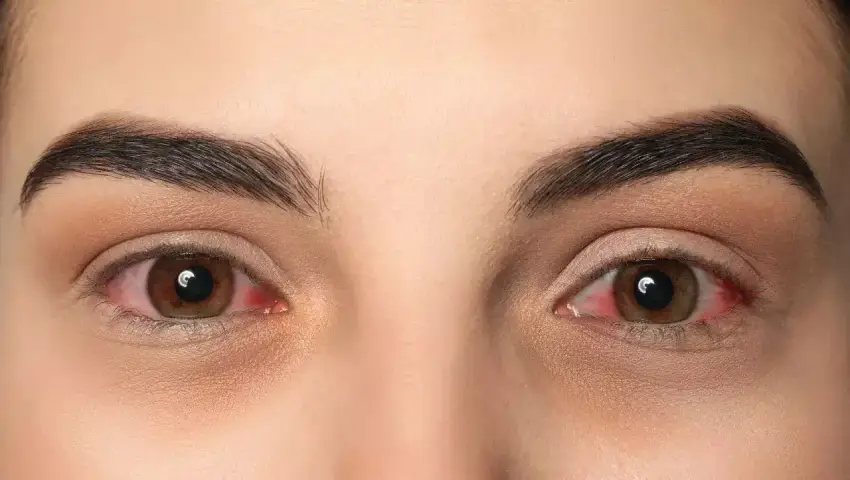
The rainy season brings relief from summer heat, but increased humidity, stagnant water, dust, pollution, allergens and infectious diseases can create conditions that affect eye health. During this period, many people experience red eyes, itching, watering, irritation, discharge and swelling.
One of the most commonly recognized problems is conjunctivitis (pink eye). It can be caused by viruses, bacteria or allergens. Viral and bacterial conjunctivitis can spread from person to person, while allergic conjunctivitis is not contagious.
However, not every red or watery eye is conjunctivitis. Dryness, allergies, irritation, contact-lens-related problems and other eye conditions can produce similar symptoms. Therefore, understanding the warning signs and taking appropriate precautions is important.
Why Do Eye Problems Increase During the Rainy Season?
Rainy weather can create a combination of environmental and hygiene-related factors that may contribute to eye discomfort and infections.
1. Increased Humidity
High humidity can encourage the growth of microorganisms and mold in damp environments. Indoor allergens such as mold and dust mites can also contribute to allergic eye symptoms in susceptible individuals.
2. Contaminated Water and Poor Hygiene
During heavy rainfall, contaminated water and inadequate sanitation can increase exposure to infectious organisms. Touching the eyes with unwashed hands can also transfer germs.
3. Viral and Bacterial Infections
Viral and bacterial conjunctivitis can spread through contact with infected eye discharge, contaminated hands, surfaces and personal belongings.
4. Allergens and Irritants
Rainy-season environmental changes can aggravate allergies in some people. Dust, mold, pollen, smoke and other airborne irritants may cause redness, itching and watering.
5. Contact Lens Problems
Contact-lens users need to be particularly careful about hygiene. Improper cleaning, prolonged wear or wearing lenses during an active eye infection can increase the risk of complications.
Common Eye Problems During Rainy Season
1. Conjunctivitis or Pink Eye
Conjunctivitis is inflammation of the conjunctiva—the thin membrane covering the white part of the eye and inner eyelid.
Common symptoms include:
- Eye redness
- Watery eyes
- Itching or irritation
- Burning sensation
- Eyelid swelling
- Discharge
- Crusting around the eyelashes
- Gritty or foreign-body sensation
The nature of symptoms can provide clues about the cause. Viral conjunctivitis often causes watery discharge, while bacterial conjunctivitis may produce thicker discharge. Allergic conjunctivitis commonly causes significant itching and usually affects both eyes.
Because viral and bacterial conjunctivitis can be contagious, maintaining good hygiene is essential.
2. Allergic Conjunctivitis
Allergic conjunctivitis occurs when the eyes react to allergens. It may cause:
- Intense itching
- Redness
- Watering
- Swollen eyelids
- Burning or irritation
Unlike viral or bacterial conjunctivitis, allergic conjunctivitis is not contagious. Environmental allergens such as pollen, dust mites, mold and animal dander can trigger symptoms.
A key clue is prominent itching, particularly when both eyes are affected.
3. Eye Irritation
Dust, smoke, pollution, chemical fumes and other irritants can cause watery eyes, redness and discomfort. A foreign particle entering the eye can also produce a sensation that something is stuck in the eye.
Avoid rubbing the eye, as this may worsen irritation or potentially damage the ocular surface.
4. Contact-Lens-Related Eye Problems
People who wear contact lenses should take extra precautions during periods of eye irritation or infection.
Contact lenses should not be worn when someone has conjunctivitis until an eye doctor advises that it is safe to resume use. Proper cleaning, storage and replacement of lenses are also important.
Contact-lens users with eye pain, redness or reduced vision should seek prompt professional evaluation because certain corneal infections can be serious.
Symptoms You Should Not Ignore
A mild watery or itchy eye may sometimes settle with appropriate basic care. However, certain symptoms require medical attention.
Consult an ophthalmologist or eye specialist if you experience:
- Significant eye pain
- Blurred or reduced vision
- Increased sensitivity to light
- Severe redness
- Persistent or worsening symptoms
- Significant swelling
- Thick or persistent discharge
- Symptoms that do not improve
- Eye symptoms while wearing contact lenses
Eye pain, light sensitivity, blurred vision and intense redness can indicate a more serious eye problem and should not simply be treated as routine conjunctivitis.
How to Protect Your Eyes During Rainy Season
Fortunately, several simple habits can help reduce the risk of eye infections and irritation.
1. Wash Your Hands Frequently
Wash your hands regularly with soap and water, particularly before touching your eyes or applying eye drops.
If someone at home has conjunctivitis, frequent handwashing becomes even more important.
2. Avoid Rubbing Your Eyes
Itchy eyes can create an urge to rub them, but rubbing can worsen irritation and may transfer infectious organisms from your hands to your eyes.
Instead, seek appropriate medical advice if itching persists.
3. Do Not Share Personal Items
Avoid sharing:
- Towels
- Handkerchiefs
- Pillowcases
- Eye drops
- Eye makeup
- Makeup brushes
- Contact lenses
- Contact-lens cases
- Eyeglasses
This is particularly important when someone has infectious conjunctivitis.
4. Maintain Contact Lens Hygiene
Follow the recommended cleaning, storage and replacement schedule for your lenses. Do not wear contact lenses during conjunctivitis unless your eye doctor tells you that it is safe.
Never use tap water as a substitute for proper contact-lens cleaning solutions unless specifically advised by your eye-care professional.
5. Keep Your Surroundings Clean and Dry
Damp areas can encourage mold growth. Keep rooms adequately ventilated and address visible moisture or mold where possible.
Regularly clean surfaces and wash bedding, towels and pillowcases appropriately.
6. Protect Your Eyes From Dust and Pollutants
If outdoor conditions are dusty or polluted, appropriate protective eyewear can help reduce exposure to irritants.
Avoid direct exposure to smoke, dust and chemical fumes whenever possible.
What Can You Do If Your Eyes Become Red or Irritated?
The appropriate treatment depends on the underlying cause.
For some cases of conjunctivitis, supportive measures such as cold compresses and artificial tears may help relieve discomfort. However, treatment should be based on the suspected cause.
Do Not Self-Medicate With Antibiotic or Steroid Eye Drops
One of the most common mistakes people make is using leftover eye drops without medical advice.
Antibiotics do not treat viral conjunctivitis, while inappropriate use of steroid-containing eye drops can be problematic in certain eye conditions. The treatment should therefore be selected by a qualified eye-care professional after evaluating the symptoms and eye.
If you have an eye infection, do not assume that the same eye drops that worked for someone else will be appropriate for you.
Is Conjunctivitis Always Contagious?
No.
This depends on its cause.
Viral conjunctivitis
Usually contagious and can spread easily.
Bacterial conjunctivitis
Also contagious and can spread through contaminated hands and objects.
Allergic conjunctivitis
Not contagious because it results from an allergic reaction rather than an infection.
Therefore, identifying the underlying cause is important before deciding how to manage the condition.
How Can Conjunctivitis Spread in a Family?
An infected person may unintentionally spread viral or bacterial conjunctivitis by touching their eyes and then touching objects or other people.
Shared towels, pillowcases, cosmetics, eye drops and frequently touched surfaces can also contribute to transmission.
Regular handwashing, avoiding eye rubbing and not sharing personal items can significantly help reduce the risk of spreading infection.
When Should Children See an Eye Doctor?
Children can also develop conjunctivitis and other eye infections during the rainy season.
Parents should pay attention to:
- Persistent redness
- Eye discharge
- Swelling
- Severe itching
- Eye pain
- Light sensitivity
- Changes in vision
- Symptoms that are getting worse
Newborns with symptoms of conjunctivitis require prompt medical evaluation.
Parents should also discourage children from rubbing their eyes and teach them proper handwashing.
Rainy Season Eye Care: Quick Checklist
For everyday eye protection, remember:
✅ Wash your hands regularly
✅ Avoid touching or rubbing your eyes
✅ Keep towels and pillowcases clean
✅ Don’t share eye makeup or eye drops
✅ Maintain proper contact-lens hygiene
✅ Avoid contact lenses during conjunctivitis unless cleared by an eye doctor
✅ Keep damp areas clean and well ventilated
✅ Protect your eyes from dust, smoke and chemical irritants
✅ Don’t use antibiotic or steroid eye drops without professional advice
✅ Seek medical attention for pain, vision changes or severe redness
Frequently Asked Questions
Is eye redness common during the rainy season?
Eye redness can occur because of infections, allergies or irritation. However, persistent or severe redness should be evaluated because several different eye conditions can cause similar symptoms.
Can rainwater cause eye infection?
Rainwater itself should not be assumed to be sterile or safe for direct contact with the eyes. Contaminated water and poor hygiene can expose the eyes to infectious organisms, so avoid deliberately washing the eyes with potentially contaminated water.
How can I prevent conjunctivitis from spreading?
Frequent handwashing, avoiding eye rubbing, not sharing towels or eye products, cleaning frequently touched items and avoiding contact lenses while symptomatic can help reduce transmission.
Can I wear contact lenses if I have red eyes?
It is generally recommended to stop wearing contact lenses during conjunctivitis until symptoms have resolved or an eye doctor advises that it is safe to resume.
Should I use antibiotic eye drops for red eyes?
Not necessarily. Red eyes can result from viral infection, bacterial infection, allergy or irritation. Antibiotics do not work against viral conjunctivitis, so treatment should depend on the underlying cause.
Final Takeaway
The rainy season can bring an increase in eye irritation, allergies and infectious conjunctivitis, particularly when humidity, environmental allergens, contaminated water and poor hand hygiene come together.
The best protection starts with simple habits: wash your hands, avoid touching your eyes, maintain contact-lens hygiene, don’t share personal eye-care items and keep your surroundings clean and dry.
Most importantly, don’t ignore eye pain, light sensitivity, blurred vision, intense redness or worsening symptoms. These signs can indicate something more serious than routine conjunctivitis and warrant timely evaluation by an eye-care professional.
Resources & References
- CDC — Conjunctivitis (Pink Eye): Overview
- CDC — Symptoms of Pink Eye
- CDC — How to Prevent Pink Eye
- CDC — Causes and How Pink Eye Spreads
- CDC — How to Treat Pink Eye
- Moorfields Eye Hospital — Conjunctivitis: Diagnosis and Treatment
- NHS — Conjunctivitis
- American Academy of Ophthalmology EyeWiki — Allergic Conjunctivitis
- American Academy of Ophthalmology EyeWiki — Contact Lenses

