Your eyes work continuously from the moment you wake up until you go to sleep. From reading and working on a computer to using smartphones, driving and watching television, your vision plays an important role in almost every part of daily life. Yet, eye care is often ignored until symptoms such as blurred vision, dryness, redness or headaches appear.
The good news is that many healthy eye habits can help protect your vision and reduce the risk of avoidable eye problems. Regular eye examinations are also important because some eye diseases may develop without noticeable symptoms in their early stages. A comprehensive dilated eye examination can help detect several eye conditions before significant vision loss occurs.
What Is Eye Care and Why Is It Important?
Eye care includes the habits, examinations and medical care that help maintain healthy eyes and good vision. It involves more than simply wearing glasses.
Good eye care includes:
- Regular eye check-ups
- Managing screen time and digital eye strain
- Maintaining good hygiene
- Eating a balanced, nutrient-rich diet
- Protecting eyes from UV radiation
- Using protective eyewear when necessary
- Taking proper care of contact lenses
- Managing health conditions such as diabetes and high blood pressure
- Getting timely treatment for eye problems
Even if you can see clearly, an eye examination can still be important because certain eye diseases may not cause early warning symptoms.
Common Signs That You May Need an Eye Check-Up
Do not ignore persistent or recurring changes in your eyes or vision.
You should consider consulting an eye care professional if you experience:
- Blurred or hazy vision
- Frequent headaches while reading or working
- Eye strain or tired eyes
- Difficulty seeing at night
- Frequent squinting
- Double vision
- Persistent eye redness
- Dry, burning or gritty eyes
- Excessive watering
- Increased sensitivity to light
- Difficulty focusing
- Difficulty seeing objects clearly at a distance or close up
- Changes in your usual vision
Persistent redness, pain, light sensitivity or blurred vision should be evaluated by an eye specialist rather than treated repeatedly with self-selected eye drops.
10 Essential Eye Care Tips for Healthy Eyes
1. Get Regular Eye Examinations
One of the most important eye care tips is to have your eyes examined regularly according to your age, medical history and risk factors.
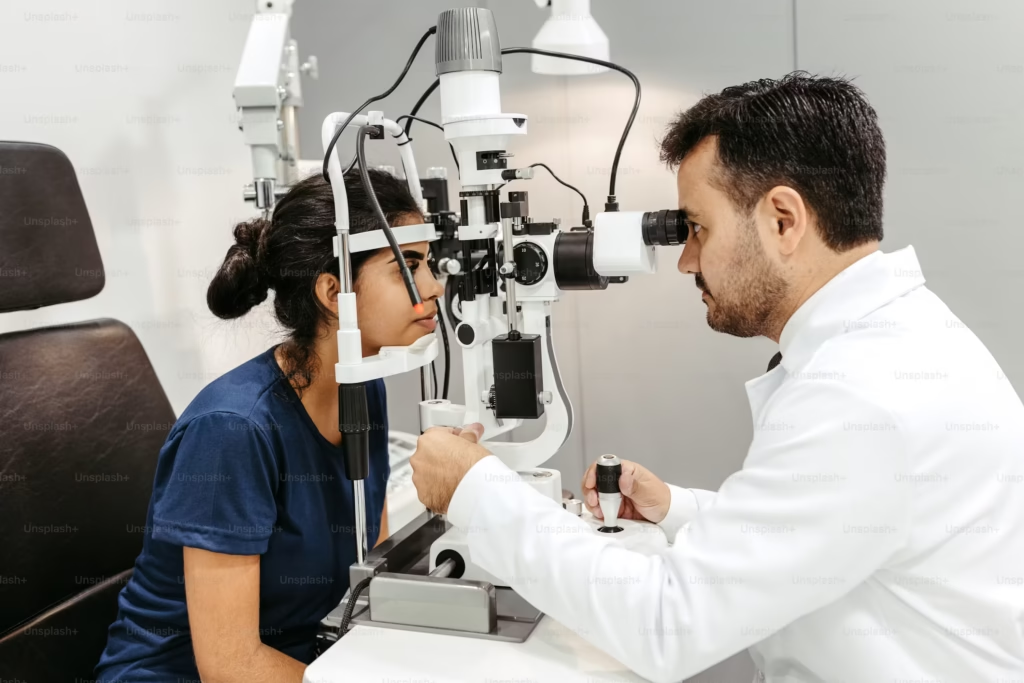
A comprehensive dilated eye examination can assess visual acuity, peripheral vision, eye pressure and the health of internal eye structures. Dilation allows the eye doctor to examine areas such as the retina and optic nerve.
People with conditions such as diabetes or high blood pressure may require more frequent eye examinations based on their doctor’s advice.
2. Follow the 20-20-20 Rule for Screen Use
Long hours on smartphones, computers and tablets can contribute to digital eye strain.
A useful habit is the 20-20-20 rule:
Every 20 minutes → look at something about 20 feet away → for at least 20 seconds.
Also remember to blink regularly. People tend to blink less while concentrating on digital screens, which can contribute to dryness and discomfort.
3. Maintain a Healthy Distance From Screens
Avoid holding your phone extremely close to your face for prolonged periods.
For computer use, the American Academy of Ophthalmology recommends positioning the screen roughly an arm’s length away and slightly below eye level. Reducing glare and adjusting screen brightness can also improve comfort.
4. Protect Your Eyes From UV Radiation
Long-term exposure to ultraviolet radiation can harm the eyes.
When outdoors, use sunglasses that provide protection against both UVA and UVB radiation. A wide-brimmed hat can provide additional protection.
According to the National Eye Institute, sunglasses that block 99% to 100% of UVA and UVB radiation are recommended for eye protection.
5. Eat an Eye-Friendly Diet
Healthy eyes also depend on overall nutrition.
Include a balanced diet containing:
- Green leafy vegetables
- Colourful fruits and vegetables
- Eggs
- Fish such as salmon and tuna
- Nuts and seeds
- Whole grains
- Adequate protein and healthy fats
Nutrients found in a varied, balanced diet support overall eye health. The National Eye Institute specifically highlights leafy green vegetables and fish as part of a healthy diet for vision.
However, food or supplements should not be considered a replacement for an eye examination or prescribed treatment.
What Is Digital Eye Strain?
Digital eye strain, sometimes called computer vision syndrome, refers to eye and vision-related discomfort associated with prolonged use of computers, smartphones, tablets and other digital devices.
Common symptoms include:
- Dry eyes
- Blurred vision
- Eye fatigue
- Headache
- Watery eyes
- Burning or stinging sensation
One reason screen use can cause discomfort is reduced blinking while concentrating on a screen.
How Can You Reduce Digital Eye Strain?
Try these simple habits:
Blink frequently: Helps maintain the tear film over the eye.
Take regular breaks: Follow the 20-20-20 rule.
Adjust your screen: Keep it at a comfortable distance and slightly below eye level.
Reduce glare: Adjust lighting, brightness and screen position.
Get your vision checked: Uncorrected refractive errors can contribute to visual discomfort.
If symptoms continue despite these measures, consult an eye care professional.
Dry Eyes: Causes, Symptoms and Care
Dry eye occurs when the eyes do not produce enough tears, tears evaporate too quickly, or the tear film does not function properly.
Common symptoms include:
- Burning
- Stinging
- Grittiness
- Redness
- Excessive watering
- Blurred vision
- Eye fatigue
Screen use, contact lenses and certain medical conditions can contribute to dry eye.
Treatment depends on the underlying cause. An eye doctor may recommend lubricating eye drops, lifestyle modifications or other treatments depending on the examination findings.
Avoid repeatedly using medicated eye drops without professional advice, especially steroid-containing eye drops.
Contact Lens Care: Important Safety Tips
Contact lenses can provide excellent vision correction, but poor hygiene can increase the risk of eye infections.
If you wear contact lenses:
- Wash and dry your hands before handling lenses.
- Follow the recommended cleaning and replacement schedule.
- Use the appropriate lens-care solution.
- Never share contact lenses.
- Avoid sleeping in lenses unless specifically prescribed for that purpose.
- Follow your eye care professional’s instructions.
- Give your eyes a break by wearing glasses when appropriate.
If you develop significant redness, pain, light sensitivity or blurred vision while wearing contact lenses, remove the lenses and seek professional eye care promptly.
Common Eye Problems You Should Know About
Eye problems can range from simple refractive errors to conditions that may threaten vision.
Refractive Errors
These include:
- Nearsightedness or myopia
- Farsightedness or hyperopia
- Astigmatism
- Presbyopia
They may cause blurred vision, squinting, headaches or difficulty focusing.
Glasses, contact lenses or other appropriate treatment can help correct vision depending on the condition.
Cataract
A cataract causes clouding of the eye’s natural lens. Common symptoms may include blurred vision, glare, difficulty seeing at night and faded colours.
Cataracts become more common with age, but vision changes should always be evaluated rather than automatically attributed to ageing.
Glaucoma
Glaucoma refers to a group of eye diseases that can damage the optic nerve. Importantly, some forms may develop with few or no noticeable symptoms in the early stages.
This is one reason regular eye examinations are important, particularly for people with increased risk.
Diabetic Eye Disease
Diabetes can affect the blood vessels of the retina and may lead to diabetic retinopathy and other vision problems.
People living with diabetes should discuss an appropriate eye examination schedule with their doctor and maintain good control of their overall health.
Age-Related Macular Degeneration
Age-related macular degeneration, or AMD, affects the macula and can affect central vision. Risk increases with age, making appropriate eye examinations particularly important for older adults.
Eye Care for Children
Children’s vision can influence learning, development and everyday activities.
Parents should pay attention to signs such as:
- Sitting very close to the television or screen
- Holding books unusually close
- Frequent squinting
- Difficulty reading
- Complaints of headaches
- One eye turning inward or outward
- Difficulty seeing the board
- Frequent rubbing of the eyes
If you notice changes in your child’s vision, consult an eye care professional rather than assuming the problem will disappear on its own.
Eye Care for Adults and Older People
As we age, the risk of certain eye conditions increases. Regular eye examinations become increasingly important, especially when there is a family history of eye disease or conditions such as diabetes or high blood pressure.
A person may have an eye condition without noticing obvious symptoms. Therefore, an eye examination should not be considered necessary only when vision becomes blurry.
When Is an Eye Problem an Emergency?
Some symptoms require prompt medical attention.
Seek urgent eye care if you experience:
- Sudden loss or significant reduction of vision
- Sudden double vision
- Severe eye pain
- Sudden flashes of light with many new floaters
- A curtain or shadow appearing across your vision
- Serious eye injury
- Chemical exposure to the eye
- Significant redness associated with pain or vision changes
Do not delay professional assessment when there is a sudden or significant change in vision.
Can Eye Exercises Improve Vision?
Eye exercises may help with certain focusing or coordination-related problems when recommended by an eye care professional, but they should not be promoted as a universal way to eliminate glasses or cure eye diseases.
If you have blurred vision, headaches, eye strain or difficulty focusing, the underlying cause should first be evaluated.
Can Screen Time Permanently Damage Your Eyes?
Extended screen use can cause temporary discomfort such as digital eye strain, dryness and blurred vision, but the American Academy of Ophthalmology notes that ordinary computer and smartphone use does not permanently damage the eyes simply because you are looking at a screen.
Nevertheless, responsible screen habits are important for comfort and productivity.
Why Regular Eye Check-Ups Matter
Many people wait until they cannot see clearly before visiting an eye doctor. This approach can miss eye diseases that develop silently.
A comprehensive eye examination can help identify vision problems and detect certain eye diseases at an earlier stage, when treatment may be more effective.
The appropriate frequency of eye examinations depends on factors such as age, symptoms, family history, existing medical conditions and individual risk.
Final Takeaway: Make Eye Care Part of Your Health Routine
Healthy vision is not only about seeing clearly today. It is about protecting your eyesight for the years ahead.
Simple habits can make a meaningful difference:
Eat a balanced diet.
Protect your eyes from UV exposure.
Take regular screen breaks.
Maintain good contact-lens hygiene.
Wear protective eyewear when needed.
Manage conditions such as diabetes and high blood pressure.
And most importantly, get regular eye examinations according to your individual risk.
If you experience persistent eye discomfort or any sudden change in vision, consult a qualified eye care professional rather than relying on self-treatment.
Your eyes deserve attention before a small problem becomes a bigger one.
Frequently Asked Questions About Eye Care
1. How can I keep my eyes healthy?
Follow a balanced diet, protect your eyes from UV radiation, take breaks from screens, maintain good hygiene and have regular eye examinations.
2. How often should I get an eye check-up?
There is no single schedule suitable for everyone. Your eye doctor can recommend an examination frequency based on your age, risk factors, symptoms and medical history.
3. Is mobile phone use bad for the eyes?
Prolonged screen use can contribute to digital eye strain, dryness and temporary discomfort. Regular breaks, blinking and appropriate screen positioning can help.
4. What are the symptoms of dry eyes?
Common symptoms include burning, stinging, grittiness, redness, watering and fluctuating or blurred vision.
5. Can eye problems occur without symptoms?
Yes. Some eye diseases may have few or no early warning signs, which is why appropriate eye examinations are important.
6. Are carrots enough for good eyesight?
Carrots can be part of a healthy diet, but eye health depends on overall nutrition and general health. A balanced diet containing a variety of vegetables, fruits, fish and other nutritious foods is preferable.
7. When should I see an eye doctor?
See an eye doctor for persistent blurred vision, eye pain, redness, recurring headaches associated with vision, difficulty focusing or any significant change in your usual vision. Sudden vision loss or severe symptoms require urgent evaluation.
Suggested SEO Keywords
Primary keywords:
eye care, eye care tips, eye health, healthy eyes, eye care tips for healthy eyes
Secondary keywords:
eye check-up, eye examination, eye problems, eye doctor, vision care, healthy vision, how to protect eyes, eye protection, eye health tips, good eye care habits
Long-tail keywords:
how to take care of your eyes, how to keep eyes healthy, best eye care tips, eye care tips for adults, eye care tips for children, how to reduce eye strain, digital eye strain treatment, dry eyes treatment, symptoms of dry eyes, when to get an eye check-up, foods for healthy eyes, how to protect eyes from screens, contact lens eye care
Related search terms:
computer vision syndrome, screen time and eyes, eye strain from mobile phone, blurred vision, cataract symptoms, glaucoma symptoms, diabetic eye care, eye exercises, UV protection for eyes, regular eye examination
Medical Information Sources / Resources
- National Eye Institute (NEI) – Keep Your Eyes Healthy
National Eye Institute: Keep Your Eyes Healthy - National Eye Institute – Get a Dilated Eye Exam
National Eye Institute: Dilated Eye Exam - National Eye Institute – Dry Eye
National Eye Institute: Dry Eye - American Academy of Ophthalmology – Digital Devices and Your Eyes
American Academy of Ophthalmology: Digital Devices and Your Eyes - American Academy of Ophthalmology – Computers, Digital Devices and Eye Strain
American Academy of Ophthalmology: Computers, Digital Devices and Eye Strain
Medical note: This article is intended for general health education and SEO content. It does not replace an examination, diagnosis or treatment plan from a qualified eye care professional.

