

Pancreatitis: Symptoms, Causes, Treatment, Diet & Prevention – A Complete Guide
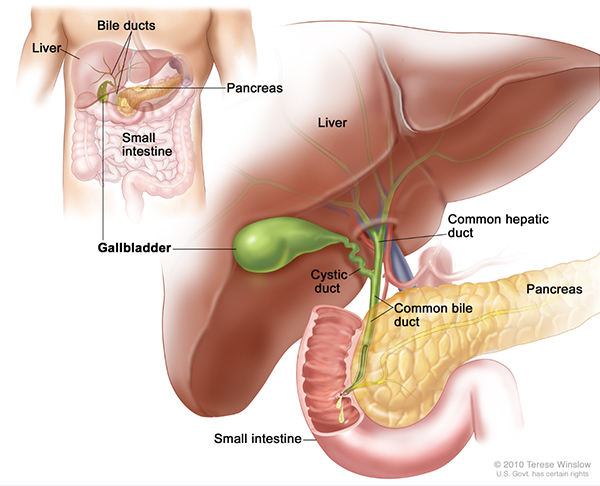
The pancreas is a small but powerful organ located behind the stomach. It plays a vital role in digestion by producing digestive enzymes and regulating blood sugar through hormones like insulin and glucagon. When the pancreas becomes inflamed, the condition is known as pancreatitis.
Pancreatitis can range from mild discomfort to a life-threatening medical emergency. According to medical research, early diagnosis and timely treatment significantly improve outcomes. Understanding the symptoms, causes, risk factors, and treatment options can help patients seek prompt medical attention and reduce complications.
In this comprehensive guide, we’ll explain everything you need to know about pancreatitis using evidence-based medical information.
What is Pancreatitis?
Pancreatitis is inflammation of the pancreas that occurs when digestive enzymes become activated before they leave the pancreas. Instead of digesting food, these enzymes begin damaging the pancreatic tissue itself, leading to inflammation, pain, and swelling.
There are two main types:
- Acute Pancreatitis: Develops suddenly and lasts for a few days.
- Chronic Pancreatitis: Long-term inflammation that gradually damages the pancreas permanently.
Types of Pancreatitis
1. Acute Pancreatitis
Acute pancreatitis appears suddenly and usually improves with proper medical treatment.
Most patients recover completely within a week, although severe cases may require hospitalization.
Common symptoms include:
- Severe upper abdominal pain
- Pain radiating to the back
- Nausea and vomiting
- Fever
- Rapid heartbeat
- Abdominal tenderness
2. Chronic Pancreatitis
Chronic pancreatitis develops slowly over several years.
Repeated inflammation permanently damages pancreatic tissue, affecting digestion and insulin production.
Symptoms include:
- Persistent abdominal pain
- Weight loss
- Fatty, foul-smelling stools (steatorrhea)
- Diabetes
- Poor nutrient absorption
Pancreatitis Symptoms
Recognizing pancreatitis symptoms early can prevent serious complications.
Common signs include:
- Sudden severe upper abdominal pain
- Pain after eating
- Back pain
- Nausea
- Vomiting
- Fever
- Bloating
- Tender abdomen
- Loss of appetite
- Rapid pulse
- Yellowing of skin (rare)
- Weight loss (especially in chronic pancreatitis)
If abdominal pain is severe and persistent, immediate medical evaluation is recommended.
Causes of Pancreatitis
Several medical conditions can trigger pancreatic inflammation.
1. Gallstones
Gallstones are the most common cause of acute pancreatitis. They block the pancreatic duct, causing digestive enzymes to accumulate inside the pancreas.
2. Alcohol Consumption
Heavy alcohol intake over several years significantly increases the risk of both acute and chronic pancreatitis.
3. High Triglyceride Levels
Very high blood triglyceride levels (usually above 500 mg/dL) can cause pancreatitis.
4. Certain Medications
Some medicines may rarely trigger pancreatitis, including:
- Azathioprine
- Valproic acid
- Certain antibiotics
- Some chemotherapy drugs
5. Pancreatic Injury
Abdominal trauma or surgery involving the pancreas may lead to inflammation.
6. Infections
Certain viral infections, such as mumps, can occasionally cause pancreatitis.
7. Autoimmune Diseases
Autoimmune pancreatitis occurs when the immune system mistakenly attacks the pancreas.
8. Genetic Disorders
Inherited conditions like cystic fibrosis or hereditary pancreatitis increase lifetime risk.
Risk Factors
People are more likely to develop pancreatitis if they have:
- Gallstones
- Obesity
- Diabetes
- Smoking
- Heavy alcohol consumption
- High triglycerides
- Family history
- Certain medications
- Pancreatic cancer
How is Pancreatitis Diagnosed?
Doctors diagnose pancreatitis through medical history, physical examination, blood tests, and imaging studies.
Blood Tests
Doctors usually check:
- Serum amylase
- Serum lipase
- Liver function tests
- Blood sugar
- Calcium
- Triglycerides
- Complete blood count
Lipase is considered more accurate than amylase for diagnosing pancreatitis.
Imaging Tests
Imaging helps determine severity and identify complications.
Common imaging includes:
- Ultrasound
- CT Scan
- MRI
- MRCP
- Endoscopic Ultrasound (EUS)
Pancreatitis Treatment
Treatment depends on severity and underlying cause.
Hospital Care
Patients with acute pancreatitis may require hospitalization.
Treatment often includes:
- Intravenous (IV) fluids
- Pain management
- Oxygen therapy if needed
- Nutritional support
- Monitoring for complications
Treating the Underlying Cause
Treatment may involve:
- Gallbladder removal for gallstones
- Alcohol cessation
- Triglyceride control
- Medication changes
- Endoscopic procedures (ERCP) if bile ducts are blocked
Surgery
Surgery may be required if patients develop:
- Pancreatic necrosis
- Abscess
- Pseudocyst
- Severe infection
Pancreatitis Diet
Diet plays an important role in recovery.
Foods to Eat
Choose:
- Fruits
- Vegetables
- Whole grains
- Lean chicken
- Fish
- Beans
- Lentils
- Low-fat dairy
- Oatmeal
- Brown rice
Stay hydrated by drinking plenty of water.
Foods to Avoid
Avoid:
- Fried foods
- Fatty meat
- Butter
- Cream
- Fast food
- Processed snacks
- Sugary beverages
- Alcohol
- Smoking
Eating smaller, more frequent meals may improve digestion.
Complications of Pancreatitis
Untreated pancreatitis may lead to:
- Pancreatic necrosis
- Infection
- Pancreatic pseudocyst
- Diabetes
- Kidney failure
- Respiratory failure
- Malnutrition
- Pancreatic cancer (especially chronic pancreatitis)
Early treatment significantly reduces these risks.
Can Pancreatitis Be Prevented?
Many cases can be prevented through healthy lifestyle choices.
Prevention Tips
- Avoid excessive alcohol
- Quit smoking
- Maintain healthy weight
- Control diabetes
- Manage triglycerides
- Exercise regularly
- Eat a balanced low-fat diet
- Stay hydrated
- Treat gallstones promptly
When Should You See a Doctor?
Seek immediate medical care if you experience:
- Severe abdominal pain lasting several hours
- Persistent vomiting
- High fever
- Difficulty breathing
- Yellow skin or eyes
- Fainting
- Severe weakness
Do not ignore sudden abdominal pain, as pancreatitis can rapidly become life-threatening.
Frequently Asked Questions (FAQs)
Is pancreatitis curable?
Acute pancreatitis often resolves completely with appropriate treatment. Chronic pancreatitis cannot usually be cured, but symptoms and complications can be managed.
Is pancreatitis dangerous?
Yes. Severe pancreatitis can lead to organ failure, infection, and even death if left untreated.
Can pancreatitis cause diabetes?
Yes. Chronic inflammation damages insulin-producing cells, increasing the risk of diabetes.
Can I live a normal life after pancreatitis?
Most people recover fully after mild acute pancreatitis. Chronic pancreatitis requires lifelong medical care, dietary changes, and regular follow-up.
Is pancreatitis cancer?
No. Pancreatitis is inflammation of the pancreas, not cancer. However, chronic pancreatitis slightly increases the risk of pancreatic cancer over time.
Key Takeaways
Pancreatitis is a serious inflammatory condition of the pancreas that requires prompt medical attention. While gallstones and excessive alcohol consumption remain the leading causes, factors such as high triglycerides, smoking, certain medications, and genetic conditions can also contribute. Early diagnosis through blood tests and imaging, combined with appropriate treatment, dietary modifications, and lifestyle changes, can significantly improve recovery and reduce complications. If you experience severe abdominal pain, nausea, vomiting, or persistent digestive symptoms, seek immediate medical evaluation. Timely intervention can protect pancreatic function and improve long-term health outcomes.
References & Trusted Resources
- National Institute of Diabetes and Digestive and Kidney Diseases (NIDDK): https://www.niddk.nih.gov/health-information/digestive-diseases/pancreatitis
- American College of Gastroenterology – Pancreatitis: https://gi.org/topics/acute-pancreatitis
- American Gastroenterological Association: https://gastro.org
- Mayo Clinic – Pancreatitis: https://www.mayoclinic.org/diseases-conditions/pancreatitis
- Cleveland Clinic – Pancreatitis: https://my.clevelandclinic.org/health/diseases/8103-pancreatitis
- Johns Hopkins Medicine – Pancreatitis: https://www.hopkinsmedicine.org/health/conditions-and-diseases/pancreatitis
- National Health Service (NHS UK): https://www.nhs.uk/conditions/acute-pancreatitis
- Merck Manual Professional Edition: https://www.merckmanuals.com/professional
- World Gastroenterology Organisation (WGO): https://www.worldgastroenterology.org
- MedlinePlus (U.S. National Library of Medicine): https://medlineplus.gov/pancreatitis.html

