

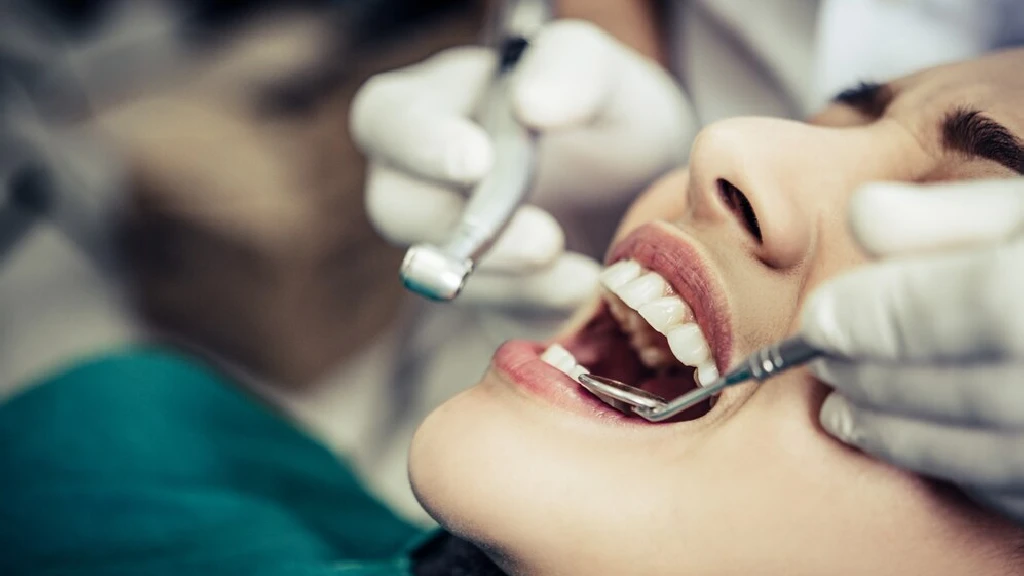
Dental Care Insights: Why Your Oral Health Matters
A healthy smile is not just about appearance. Your teeth and gums play an important role in eating, speaking, smiling and maintaining overall quality of life. Yet many people visit a dentist only after experiencing toothache, bleeding gums, sensitivity or another noticeable problem.
The good news is that many common oral health problems are preventable with consistent dental care, proper oral hygiene and timely professional dental checkups.
The World Health Organization identifies dental caries, severe gum disease, tooth loss and oral cancers among the major oral diseases worldwide. It also reports that untreated dental caries is the most common health condition globally.
So, what does good dental care actually involve? Let’s understand the essential steps for maintaining healthy teeth and gums at every stage of life.
What Is Dental Care?
Dental care refers to the daily and professional practices used to maintain healthy teeth, gums and overall oral health.
It includes:
- Regular tooth brushing
- Cleaning between teeth
- Using fluoride toothpaste
- Maintaining a balanced diet
- Limiting added sugar
- Regular dental checkups
- Professional dental cleaning when required
- Treating cavities and gum problems early
- Avoiding tobacco and other harmful habits
- Protecting teeth from injury
Good dental care is a combination of what you do at home and the preventive care you receive from a dental professional.
Why Is Oral Hygiene Important?
Dental plaque is a sticky film containing bacteria that develops on teeth. If plaque is not removed regularly, it can contribute to tooth decay and gum disease. Over time, plaque can harden into tartar or calculus, which cannot be effectively removed through normal brushing and flossing alone.
Poor oral hygiene may contribute to:
- Cavities or tooth decay
- Bad breath
- Gingivitis
- Gum disease
- Tooth sensitivity
- Tooth loss
- Dental infections
Maintaining good oral hygiene every day is therefore one of the simplest ways to protect your dental health.
How to Brush Your Teeth Properly
One of the most common dental care questions is: “How often should I brush my teeth?”
The American Dental Association recommends brushing twice a day for two minutes using fluoride toothpaste. Both manual and powered toothbrushes can be effective when used properly.
For effective brushing:
- Use a soft-bristled toothbrush.
- Apply fluoride toothpaste.
- Hold the brush gently around the gumline.
- Use small, gentle movements rather than aggressive scrubbing.
- Clean the outer, inner and chewing surfaces of your teeth.
- Brush your tongue gently.
- Avoid brushing too aggressively.
- Replace your toothbrush when the bristles become worn or approximately every three to four months.
Brushing harder does not necessarily mean brushing better. Excessive force may irritate the gums and contribute to enamel or gum problems.
Is Flossing Really Necessary?
Yes. A toothbrush cannot effectively clean every surface between your teeth.
Dental floss and other interdental cleaners help remove food particles and plaque from areas that toothbrush bristles may not reach. The ADA recommends cleaning between the teeth regularly, generally once a day.
Depending on your dental condition, a dentist may recommend:
- Traditional dental floss
- Dental tape
- Interdental brushes
- Water flossers
- Other interdental cleaning devices
The most appropriate option depends on the spacing between your teeth, gum health, orthodontic appliances, implants, bridges and other individual factors.
Fluoride and Dental Health
Fluoride is an important part of cavity prevention.
It helps strengthen tooth enamel and can help prevent or reverse early stages of tooth decay. Fluoride is available through fluoride toothpaste and, depending on local water supplies and individual needs, other sources or professional treatments.
For most people, brushing twice daily with fluoride toothpaste is an important part of preventing cavities.
Children may require age-appropriate amounts of fluoride toothpaste and supervision during brushing. Parents should follow recommendations from their child’s dentist or healthcare professional.
How to Prevent Cavities and Tooth Decay
Dental cavities develop when acids produced by bacteria damage the tooth surface. If decay progresses, it can eventually form a cavity.
Some important ways to reduce the risk of tooth decay include:
- Brush twice daily with fluoride toothpaste.
- Clean between your teeth regularly.
- Limit frequent consumption of sugary foods and drinks.
- Choose water more often.
- Maintain regular dental checkups.
- Address early signs of tooth decay promptly.
Early tooth decay may sometimes be managed with preventive measures such as fluoride before a cavity develops. Once a cavity has formed, a dentist may recommend restorative treatment such as a filling.
Gum Disease: Signs You Should Not Ignore
Gum disease can begin with gingivitis, which may cause red, swollen or bleeding gums. If plaque and tartar remain uncontrolled, gum disease can become more advanced and may contribute to gum recession, loose teeth and tooth loss.
Common warning signs include:
- Bleeding while brushing or flossing
- Red or swollen gums
- Persistent bad breath
- Gum tenderness
- Receding gums
- Loose teeth
- Pain or difficulty while chewing
Bleeding gums should not simply be considered “normal.” If the problem persists, a dental examination can help identify the cause.
What Causes Bad Breath?
Bad breath, also called halitosis, can have several causes.
Common contributors include:
- Poor oral hygiene
- Plaque buildup
- Gum disease
- Food particles trapped between teeth
- Dry mouth
- Certain foods and beverages
- Tobacco use
- Some medical conditions
Regular brushing, cleaning between teeth, cleaning the tongue and maintaining adequate hydration can support fresher breath. Persistent bad breath, however, deserves professional evaluation because it can sometimes be associated with an underlying dental problem.
Dental Care for Sensitive Teeth
Tooth sensitivity may cause short, sharp discomfort when consuming hot, cold, sweet or acidic foods and drinks.
Sensitivity can have different causes, including exposed tooth surfaces, gum recession, enamel wear, cavities or other dental conditions.
Do not automatically assume that sensitive teeth are harmless. If sensitivity is persistent, worsening or affecting daily activities, a dentist can assess the underlying cause and recommend appropriate treatment.
Dental Checkup: How Often Should You Visit a Dentist?
There is no single dental-visit schedule that is perfect for everyone.
Your ideal frequency depends on factors such as:
- Oral hygiene
- History of cavities
- Gum health
- Age
- Tobacco use
- Medical conditions
- Pregnancy
- Dental restorations
- Risk of tooth decay
- Previous dental treatment
The CDC recommends at least yearly dental visits for adults, while people at higher risk may need more frequent care based on professional advice.
A routine dental checkup can identify problems before they become more complicated or painful.
Dental Care During Pregnancy
Pregnancy can increase the risk of certain oral health problems, including cavities and gum disease. Maintaining good oral hygiene during pregnancy is therefore important.
Pregnant women should:
- Brush twice daily with fluoride toothpaste.
- Clean between teeth regularly.
- Maintain a balanced diet.
- Discuss persistent gum bleeding or dental pain with a dentist.
- Inform their dental professional about their pregnancy.
Do not postpone necessary dental evaluation simply because you are pregnant. Your dentist can advise you about appropriate care.
Dental Care for Children
Good dental habits should begin early.
The ADA recommends starting to brush as soon as a child’s first tooth appears. Children generally need parental assistance or supervision until they can brush effectively and spit out excess toothpaste.
Parents should encourage children to:
- Brush twice daily.
- Use age-appropriate fluoride toothpaste.
- Clean all tooth surfaces.
- Limit sugary snacks and drinks.
- Avoid putting children to bed with sugary drinks.
- Visit a pediatric dentist or dentist as recommended.
Teaching children good oral hygiene early can help establish habits that last into adulthood.
Food and Dental Health: What You Eat Matters
Your diet can influence your dental health.
Frequent consumption of foods and drinks containing added sugars can increase the risk of tooth decay. Choosing nutritious foods and drinking water more often can support both oral and general health.
Helpful habits include:
- Drink plenty of water.
- Limit sugary drinks.
- Reduce frequent snacking on sugary foods.
- Choose a balanced diet.
- Avoid using sugary beverages as a substitute for water.
- Maintain regular oral hygiene after meals according to your dentist’s advice.
Tobacco and Oral Health
Smoking and tobacco use can significantly affect oral health and increase the risk of gum disease and oral health complications. NIDCR specifically recommends avoiding tobacco as part of maintaining healthy teeth and gums.
If you use tobacco, speak with a healthcare professional about quitting. Protecting your oral health is another important reason to stop.
When Should You See a Dentist Immediately?
Some dental symptoms should not be ignored.
Seek prompt dental evaluation if you experience:
- Severe or persistent toothache
- Facial or jaw swelling
- Dental trauma or a knocked-out tooth
- Persistent gum bleeding
- A loose adult tooth
- Difficulty opening your mouth
- Pus or signs of infection
- Persistent mouth ulcers or unusual oral changes
- Difficulty swallowing or breathing
Severe swelling accompanied by difficulty breathing or swallowing can be an emergency and requires urgent medical attention.
10 Simple Dental Care Tips to Remember
For everyday dental health, remember these simple habits:
- Brush your teeth twice a day.
- Use fluoride toothpaste.
- Brush gently for about two minutes.
- Clean between your teeth daily.
- Limit sugary foods and drinks.
- Drink water regularly.
- Replace your toothbrush when worn.
- Avoid tobacco products.
- Do not ignore persistent dental symptoms.
- Visit your dentist regularly.
Final Thoughts
Dental care is not something that should begin when a tooth starts hurting. Prevention is the foundation of healthy teeth and gums.
A simple routine of twice-daily brushing, regular interdental cleaning, fluoride use, a balanced diet, tobacco avoidance and appropriate dental checkups can go a long way toward protecting your oral health. Professional dental care is especially important when symptoms develop or when you have a higher risk of cavities or gum disease.
Remember: a healthy smile is built through small, consistent habits—not occasional emergency treatment.
Frequently Searched Dental Care Topics
This guide covers several high-intent dental health topics, including:
- Dental care tips
- Oral hygiene
- Dental health
- Healthy teeth and gums
- How to prevent cavities
- Tooth decay prevention
- Gum disease
- Gingivitis
- Dental checkup
- Dental cleaning
- How to brush your teeth
- How to floss properly
- Fluoride toothpaste
- Tooth sensitivity
- Bad breath
- Children’s dental care
- Dental care during pregnancy
- Preventive dentistry
- Oral health tips
- Dentist near me
- Dental treatment
- Healthy smile
- Teeth cleaning
- Cavity treatment
- Gum health
Trusted Dental & Oral Health Resources
For evidence-based information, readers can refer to:
- National Institute of Dental and Craniofacial Research (NIDCR) – Oral Hygiene
- American Dental Association – Home Oral Care
- American Dental Association – Dental Floss & Interdental Cleaners
- Centers for Disease Control and Prevention – Oral Health Tips for Adults
- World Health Organization – Oral Health
- NIDCR – Tooth Decay
- NIDCR – Gum Disease

