

Dengue Fever Symptoms & Signs: Early Warning Signs, Diagnosis, Treatment & Prevention
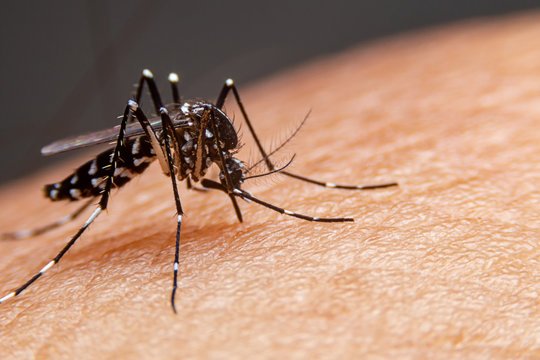
Dengue fever is a mosquito-borne viral infection that can range from a mild febrile illness to severe dengue requiring urgent hospital care. It is transmitted primarily through the bite of infected Aedes mosquitoes. Dengue can affect children and adults, and a person can develop dengue more than once because there are four dengue virus types.
Recognizing the symptoms of dengue early is important because some patients can deteriorate rapidly, particularly around the time when fever starts to come down. According to the World Health Organization (WHO), common dengue symptoms include high fever, severe headache, pain behind the eyes, muscle and joint pain, nausea, vomiting and skin rash.
In this guide, we explain dengue fever symptoms, early signs, warning signs of severe dengue, dengue diagnosis, commonly used tests, treatment and prevention measures.
What Is Dengue Fever?
Dengue is a viral infection caused by dengue virus and spread to humans mainly through infected Aedes mosquitoes. There are four closely related dengue virus types: DENV-1, DENV-2, DENV-3 and DENV-4.
After infection, symptoms usually develop several days later. WHO reports that dengue symptoms generally begin around 4–10 days after infection and commonly last 2–7 days. Many infected people have mild symptoms or no symptoms at all.
Dengue is particularly important in tropical and subtropical regions, including many parts of India, where mosquito activity and outbreaks can increase under favourable environmental conditions.
Common Dengue Fever Symptoms
The symptoms of dengue can initially resemble other viral infections, making clinical assessment important.
Common dengue symptoms include:
- High fever
- Severe headache
- Pain behind the eyes
- Muscle pain
- Joint pain
- Bone or body aches
- Nausea
- Vomiting
- Skin rash
- Weakness and fatigue
- Swollen glands in some patients
Dengue fever may begin suddenly, and fever can be accompanied by several of these symptoms. Not everyone with dengue develops every symptom.
1. High Fever
Fever is one of the most common signs of dengue. It may be high and can appear suddenly.
However, fever alone does not confirm dengue because several other infections can cause similar symptoms. Medical evaluation and appropriate testing may be recommended depending on the patient’s symptoms, illness duration and exposure risk.
2. Severe Headache
A strong headache is another common symptom of dengue. Some people may experience headache along with fever, weakness and body aches.
3. Pain Behind the Eyes
Pain around or behind the eyes, sometimes called retro-orbital pain, is a characteristic symptom that can occur with dengue.
4. Muscle, Joint and Body Pain
Dengue is sometimes associated with significant muscle and joint pain. Generalized body aches can make normal activities uncomfortable.
5. Nausea and Vomiting
Nausea and vomiting may occur during dengue infection. Persistent vomiting, however, is a warning sign that requires medical attention.
6. Skin Rash
A rash can develop during dengue. However, a rash is not present in every patient and can occur in other viral illnesses as well.
Early Signs of Dengue
The early signs of dengue may include:
- Sudden fever
- Headache
- Pain behind the eyes
- Muscle and joint pain
- Nausea or vomiting
- Weakness
- Skin rash
Because these symptoms overlap with other infections, it is not advisable to diagnose dengue based only on symptoms.
If you develop fever after possible exposure to dengue mosquitoes, especially during an outbreak or while living in an area where dengue is circulating, consult a healthcare professional for appropriate evaluation.
Dengue Warning Signs: When Is Dengue Dangerous?
One of the most important things to understand about dengue is that a fall in fever does not always mean the patient is recovering.
Warning signs of severe dengue can appear around the time the fever goes away. WHO notes that the critical phase often occurs around days 3–7 after the illness begins.
Seek urgent medical care if a person with suspected or confirmed dengue develops:
- Severe abdominal pain or abdominal tenderness
- Persistent or repeated vomiting
- Bleeding from the nose or gums
- Vomiting blood
- Blood in the stool or black stools
- Rapid breathing or breathing difficulty
- Extreme weakness or unusual fatigue
- Restlessness, irritability or drowsiness
- Pale, cold or clammy skin
- Severe thirst
- Reduced urine output or other signs of dehydration
These symptoms can indicate progression toward severe dengue, which can involve severe bleeding, plasma leakage, shock or organ impairment. Severe dengue is a medical emergency.
Dengue and Platelet Count: What Should You Know?
Platelet count is frequently discussed when someone has dengue. Dengue can cause a reduction in platelet levels, particularly during the course of illness.
However, platelet count should not be interpreted in isolation. Doctors consider the patient’s overall clinical condition, bleeding, hydration status, blood pressure, hematocrit and other laboratory findings when assessing dengue severity.
A low platelet count does not automatically mean that a patient has severe dengue, and a patient can require urgent care because of clinical warning signs even before a dramatic platelet decline occurs.
Therefore, patients should follow their doctor’s monitoring plan rather than focusing only on a single platelet number.
How Is Dengue Diagnosed?
A blood test is used to help confirm dengue infection. The appropriate test can depend on how many days have passed since symptoms started.
During the early phase of illness, tests may include:
- NS1 antigen test
- Molecular tests such as RT-PCR/NAAT
- Dengue IgM antibody testing
CDC guidance recommends different combinations depending on the stage of illness. NS1 antigen and molecular testing are particularly useful during the first several days, while IgM becomes increasingly useful as the illness progresses.
A negative test result does not always completely exclude dengue, particularly when testing is performed at an inappropriate stage of infection. Doctors may recommend repeat or additional testing depending on symptoms and timing.
Dengue Treatment: What Can Be Done?
There is currently no specific antiviral medicine that cures dengue. Treatment mainly focuses on supportive care, hydration, fever management and close monitoring for warning signs.
For uncomplicated dengue, healthcare professionals may recommend:
- Adequate fluids
- Rest
- Monitoring symptoms
- Appropriate fever and pain management
- Follow-up as advised by the doctor
Paracetamol/acetaminophen may be used for fever and pain when appropriate. Aspirin and NSAIDs such as ibuprofen are generally avoided in suspected or confirmed dengue because they may increase the risk of bleeding.
Do not self-medicate based only on a dengue report or platelet count. Medication and fluid requirements should be determined according to the patient’s clinical condition.
Can Dengue Be Treated at Home?
Some patients with dengue without warning signs can be managed as outpatients with appropriate medical guidance, adequate oral fluids, rest and careful monitoring.
However, patients should know the warning signs and understand when to return to a healthcare facility.
The Government of India’s dengue clinical management guidelines classify patients according to clinical manifestations, warning signs and risk factors, with severe dengue requiring emergency treatment and urgent referral.
Children, older adults, pregnant women and people with certain underlying conditions may require closer medical monitoring.
Dengue Prevention: How Can You Protect Yourself?
Preventing mosquito bites is one of the most effective ways to reduce dengue transmission.
Important preventive measures include:
- Use mosquito repellents as directed.
- Wear clothing that covers the arms and legs where practical.
- Use window and door screens where available.
- Use mosquito nets, particularly when sleeping.
- Remove stagnant water around homes and workplaces.
- Empty and clean water containers regularly.
- Keep coolers, pots, buckets and other water-holding containers clean and covered.
- Follow local mosquito-control recommendations.
Aedes mosquitoes can bite during the daytime, so protection should not be limited only to nighttime.
People with dengue should also try to avoid mosquito bites during the illness because mosquitoes can acquire the virus by biting an infected person and subsequently transmit it to others.
Dengue Fever: When Should You See a Doctor?
You should contact a healthcare professional if you develop fever with symptoms such as severe headache, body aches, pain behind the eyes, nausea, vomiting or rash, particularly if you live in or have recently travelled to a dengue-risk area.
Seek emergency medical care immediately if warning signs such as severe abdominal pain, persistent vomiting, bleeding, blood in vomit or stool, breathing difficulty, extreme weakness, restlessness or cold and pale skin develop.
Most dengue infections are not severe, but severe dengue can progress quickly. Early recognition of warning signs and timely medical management are therefore extremely important.
Frequently Asked Questions About Dengue
What are the first symptoms of dengue?
Common early symptoms include sudden fever, headache, pain behind the eyes, muscle and joint pain, nausea, vomiting and sometimes a skin rash.
What are the danger signs of dengue?
Severe abdominal pain, persistent vomiting, bleeding, blood in vomit or stool, rapid breathing, extreme weakness, restlessness, drowsiness and pale or cold skin are important warning signs requiring urgent medical evaluation.
Does every dengue patient have low platelets?
No. Platelet levels can fall during dengue, but the platelet count alone does not determine whether a patient has severe dengue. Doctors assess the complete clinical picture.
Is dengue fever contagious?
Dengue is primarily transmitted through infected Aedes mosquitoes. It is not generally spread directly from person to person through ordinary casual contact.
Can dengue happen more than once?
Yes. Infection with one dengue virus type provides long-lasting protection against that particular type, but a person can be infected with another dengue virus type later.
Is dengue dangerous after the fever goes away?
It can be. Warning signs of severe dengue often appear around the time fever decreases. Therefore, patients should continue monitoring themselves carefully even when the temperature starts returning to normal.
Final Takeaway
Dengue fever commonly causes high fever, headache, pain behind the eyes, muscle and joint pain, nausea, vomiting and sometimes rash. Most patients recover with appropriate supportive care, but a small proportion can develop severe dengue.
The most important message is not to focus only on fever or platelet count. Watch for warning signs, particularly severe abdominal pain, persistent vomiting, bleeding, breathing difficulty, unusual weakness, restlessness or cold and pale skin.
If dengue is suspected, consult a healthcare professional for appropriate evaluation and testing. Do not self-medicate with aspirin or ibuprofen, and follow medical advice regarding hydration, monitoring and follow-up.
Medical Disclaimer
This article is intended for general health education and does not replace consultation with a qualified doctor. Dengue can vary considerably between patients. If you or a family member has suspected dengue or develops warning signs, seek appropriate medical care promptly.

