

Day-to-Day Practices to Stay Healthy in Summer: A Complete Guide
Summer brings sunshine, longer days, and outdoor fun—but it also comes with serious health risks like dehydration, heatstroke, food infections, and skin damage. With rising temperatures every year, following the right daily health practices is no longer optional—it’s essential.
This comprehensive guide covers daily summer health tips, scientifically backed and medically recommended, to help you and your family stay safe, active, and refreshed throughout the season.
Why Summer Health Care is Important
During summer, your body loses fluids rapidly due to sweating, increasing the risk of dehydration and heat-related illnesses. Common conditions include:
- Heat exhaustion
- Heatstroke
- Food poisoning
- Waterborne diseases
- Skin damage
Symptoms like dizziness, fatigue, nausea, and confusion can signal heat-related illness and require immediate attention
1. Stay Hydrated – Your First Line of Defense
Hydration is the most important factor in maintaining summer health.
Daily Hydration Practices:
- Drink 8–10 glasses of water daily at minimum
- Start your day with water before stepping out
- Drink fluids regularly—even if you’re not thirsty
- Include ORS, coconut water, or lemon water for electrolyte balance
- Avoid sugary drinks, alcohol, and excessive caffeine
💡 Pro Tip: Light-colored urine indicates good hydration, while dark urine signals dehydration
2. Avoid Peak Heat Hours
The sun is strongest between 10 AM and 4 PM, increasing the risk of heatstroke.
Smart Outdoor Habits:
- Schedule outdoor activities early morning or late evening
- Stay in shaded or cool environments whenever possible
- Avoid heavy physical activity during peak heat hours
3. Dress Smart for the Weather
Your clothing plays a major role in regulating body temperature.
Best Summer Clothing Choices:
- Wear loose, light-colored cotton clothes
- Choose breathable fabrics like linen
- Use hats, caps, and sunglasses for protection
- Avoid tight or dark-colored clothing
Lightweight clothing helps your body stay cool and prevents overheating
4. Follow a Summer-Friendly Diet
Your diet directly affects how your body handles heat.
What to Eat:
- Water-rich foods: watermelon, cucumber, oranges
- Fresh fruits and vegetables
- Light, home-cooked meals
What to Avoid:
- Oily, fried, and spicy foods
- Street food (risk of contamination)
- Heavy meals
Eating fresh and hygienic food helps prevent infections like typhoid and food poisoning
5. Maintain Proper Hygiene
Summer increases the risk of bacterial and viral infections.
Daily Hygiene Practices:
- Wash hands before eating
- Take frequent baths (1–2 times daily)
- Wear clean clothes
- Avoid consuming stale or uncovered food
Maintaining hygiene reduces the risk of waterborne diseases and infections
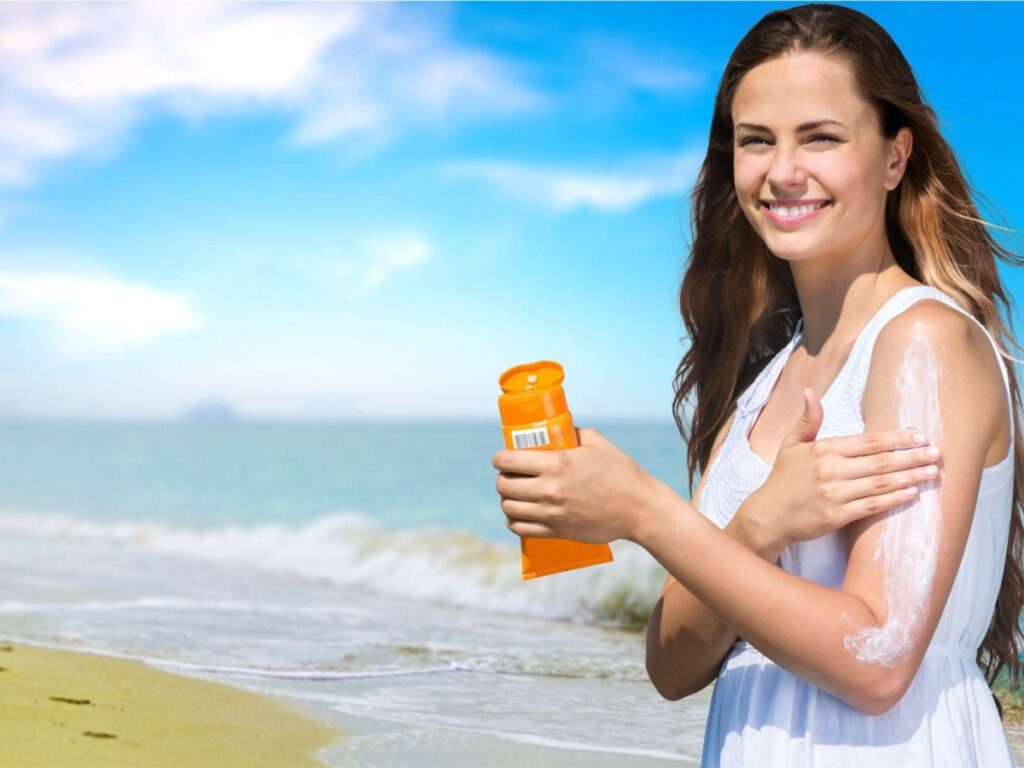
6. Protect Your Skin from Sun Damage
Excess sun exposure can cause sunburn, premature aging, and even skin cancer.
Skin Protection Tips:
- Apply sunscreen (SPF 15 or higher) regularly
- Reapply every 2 hours
- Use sunglasses to protect eyes from UV rays
- Cover exposed skin
Sunburn can also increase dehydration and affect your body’s cooling ability
7. Exercise Smartly in Summer
Staying active is important—but timing and intensity matter.
Safe Workout Practices:
- Exercise during cooler hours
- Stay hydrated during workouts
- Avoid intense workouts in extreme heat
- Take frequent breaks
Overexertion in heat can lead to cramps, dizziness, and heat exhaustion
8. Recognize Early Signs of Heat Illness
Understanding symptoms can save lives.
Common Warning Signs:
- Dizziness
- Headache
- Nausea
- Excessive sweating or dry skin
- Confusion
If symptoms worsen, move to a cool place, hydrate, and seek medical help immediately
9. Take Special Care of Children & Elderly
Children and older adults are more vulnerable to heat-related issues.
Precautions:
- Keep them hydrated
- Avoid sun exposure
- Ensure proper ventilation
- Monitor for symptoms of dehydration
10. Improve Indoor Cooling & Environment
Keeping your surroundings cool is equally important.
Cooling Tips:
- Use fans, coolers, or AC
- Keep curtains closed during daytime
- Ventilate rooms at night
- Stay in air-conditioned environments during extreme heat
Staying indoors during extreme heat significantly reduces health risks
11. Ensure Safe Water & Food Consumption
Contaminated food and water are common in summer.
Safety Tips:
- Drink filtered or boiled water
- Avoid roadside food
- Eat freshly prepared meals
- Store food properly
12. Prioritize Sleep & Stress Management
Hot weather can disrupt sleep and affect mental health.
Healthy Sleep Habits:
- Keep bedroom cool and ventilated
- Avoid screens before bedtime
- Stay hydrated
Good sleep improves immunity and overall well-being.
13. Travel & Outdoor Safety Tips
If you’re traveling during summer:
- Carry water bottles
- Use sunscreen and protective clothing
- Take frequent breaks
- Avoid direct sun exposure
Final Thoughts
Summer can be enjoyable and healthy—if you follow the right daily practices. Staying hydrated, eating clean, protecting your skin, and avoiding peak heat hours are simple habits that can make a huge difference.
Remember, prevention is always better than cure. By incorporating these daily summer health tips, you can protect yourself and your family from seasonal health risks and enjoy a safe, refreshing summer.

